Modern aircraft are more computer-driven than ever. Today’s pilots often share control with onboard systems that make thousands of split-second decisions. One such system, known as Flight Envelope Protection (FEP), is designed to keep planes within safe aerodynamic limits — preventing stalls, overspeed, or structural damage. But what happens when the computer decides it knows better than the pilot?
 |
| When Computers Take the Controls: How Flight Envelope Protection Can Save — or Endanger — Pilots |
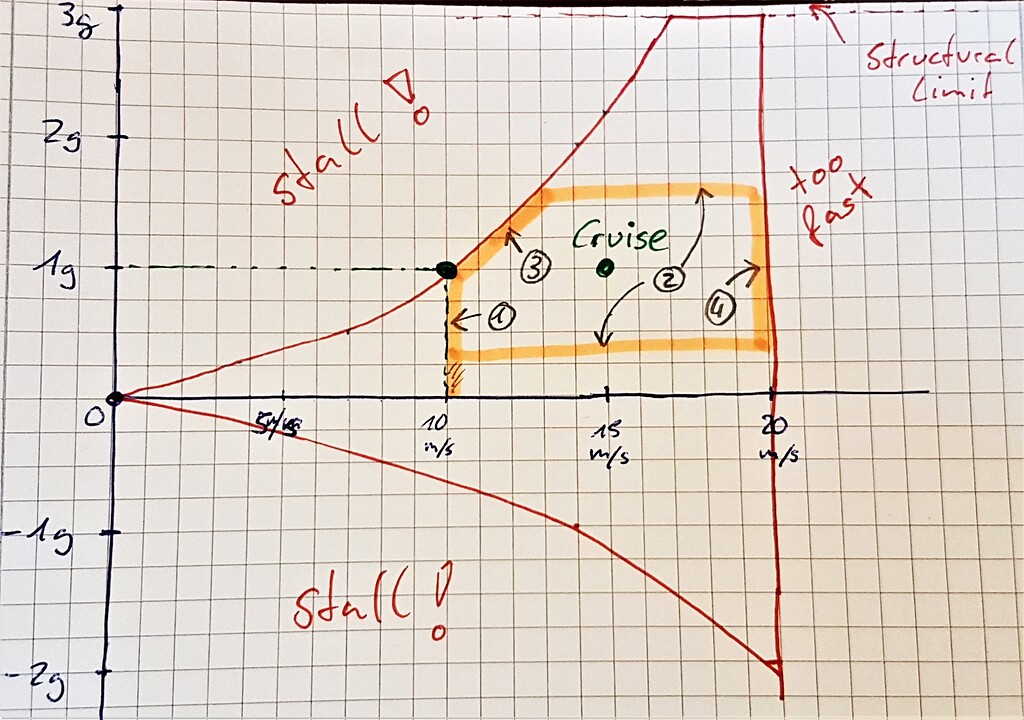
What Is Flight Envelope Protection?
Every aircraft operates within a flight
envelope — a range of speeds, altitudes, and angles beyond which flight
becomes unsafe.
Flight Envelope Protection ensures that the aircraft never exceeds those
limits by automatically restricting control inputs that could push it into
danger.
In simple terms, it’s a digital “guardian angel” that stops pilots from making moves that could cause a stall or break the wings.
How It Works
FEP constantly monitors flight parameters such as:
- Angle of attack (to prevent stalls)
- Airspeed (to prevent overspeed or structural stress)
- Bank and pitch angles (to maintain stability)
If a pilot tries to exceed any of
these, the computer intervenes — reducing control input or adjusting thrust to
stay within the safe range.
In aircraft like the Airbus A320, pilots operate within fly-by-wire
systems where every control stick movement goes through computers that decide
if the input is safe before passing it to the control surfaces.
Why It’s Important
Before fly-by-wire technology, pilots
had full mechanical control — meaning a wrong move could cause instant
disaster.
Flight Envelope Protection has saved countless lives, especially during
turbulence, pilot disorientation, or low-visibility conditions.
It prevents:
- Stalls during takeoff or climb
- Overspeed during descent
- Overbanking or excessive G-forces during maneuvers
Essentially, it acts as a digital safety net when human error or stress takes over.
The Controversy — When Computers Override Pilots
While FEP enhances safety, it has also
sparked intense debate among pilots and engineers.
Some argue that it can make pilots too dependent on automation, reducing
their instinctive flying skills.
Others point to accidents where overreliance on computer control turned deadly.
One tragic example is Air France Flight 447 (2009), where automation disengaged after inconsistent airspeed readings, leaving pilots confused. Without clear feedback from the flight envelope protections, the aircraft entered a stall from which it never recovered.
Critics say such systems sometimes make pilots “system monitors” instead of aviators”, unable to react when the technology fails.
Striking the Balance
The goal of modern aerospace
engineering is balance — giving pilots both authority and protection.
Manufacturers like Airbus and Boeing differ in their philosophy:
- Airbus relies heavily on computer authority to keep the aircraft within limits.
- Boeing gives pilots more manual freedom, with protections that warn rather than block.
Both systems aim for the same goal — maximum safety — but differ in how much trust they place in human judgment.
Conclusion
Flight Envelope Protection represents
the future of aviation: a blend of human intuition and machine precision.
It has made flying safer, but it also reminds us that the line between
“assistance” and “autonomy” is thin.
As aircraft become smarter, the real question is — who’s flying the plane:
the pilot or the algorithm?


