For decades, the T-tail — a tail
configuration where the horizontal stabilizer sits on top of the vertical fin —
was popular in aircraft like the Boeing 727, DC-9, CRJ series, and early
military trainers.
It looked sleek, saved ground clearance, and provided clean airflow at cruise.
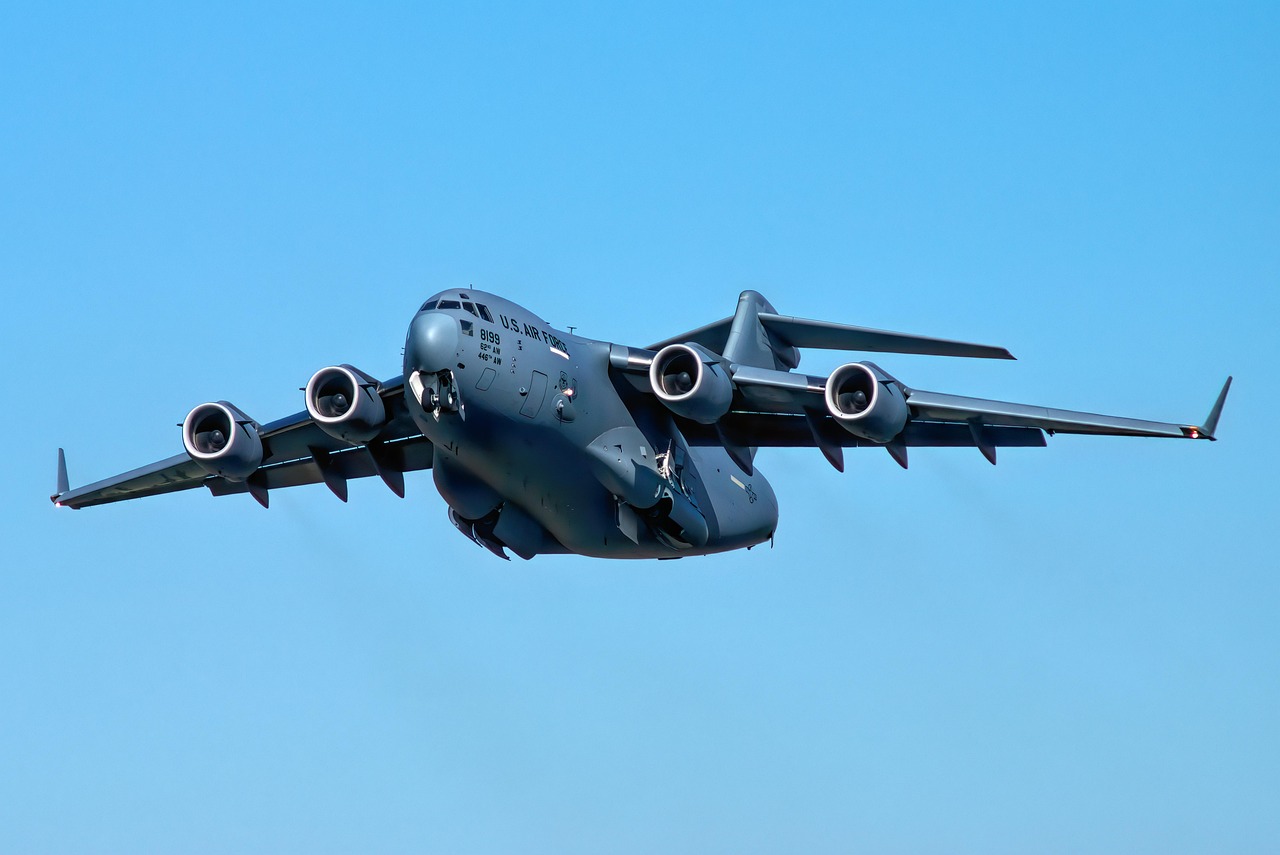 |
| Why Are T-Tail Aircraft Becoming Obsolete? The Hidden Problems No One Talks About |
But today, modern aircraft rarely use
T-tails.
Why did this once-dominant design slowly fade away?
Let’s uncover the real reasons.
What Is a T-Tail?
A T-tail places the horizontal
stabilizer at the top of the vertical tail, forming a “T” shape.
It was widely used for:
- Rear-engined airliners
- Business jets
- Military trainers
- Gliders
This design kept the tail clear of engine exhaust, allowing better control at cruising altitude.
So far, so good…
But the issues show up during slow flight and certain emergency conditions.
❌ 1. Deep Stall — The Biggest Safety Problem
The most dangerous flaw in T-tail aircraft is deep stall, a condition where:
- The main wing stalls first
- Turbulent airflow from the stalled wing blankets the T-tail
- The tailplane loses all authority, making pitch recovery nearly impossible
In a deep stall, pulling back or
pushing the controls does nothing.
The airplane simply cannot pitch down to recover.
This problem led to multiple fatal accidents in early T-tail jets and turboprops.
Because of this, modern designers avoid T-tails unless absolutely necessary.
❌ 2. Higher Structural Weight & Cost
Placing the horizontal stabilizer high on the fin means:
- The vertical tail must be much stronger
- Additional reinforcement is needed
- Significant weight increase occurs at the rear
This adds manufacturing cost and hurts fuel efficiency — two things modern aviation tries to avoid.
❌ 3. Maintenance Difficulty
Everything on a T-tail is harder to reach:
- Elevator
- Trim mechanism
- Control linkages
- Anti-ice systems
Technicians often require special
ladders or lifts.
This increases turnaround time, maintenance cost, and downtime
— major disadvantages for airlines.
❌ 4. Less Efficient for Modern Twin-Engine Layouts
Most modern passenger jets place two
large turbofans under the wings, not at the rear.
This design benefits from:
- Lower maintenance cost
- Better fuel efficiency
- Safer engine-out handling
But if engines are under the wing,
there’s no reason to raise the tail.
A conventional low tail is structurally simpler and aerodynamically more
predictable.
❌ 5. Higher Risk During Tailstrikes
T-tail planes often require steeper
rotation angles during takeoff.
This increases the chance of a tailstrike, damaging the rear fuselage.
Low-tail aircraft have better pitch authority near the ground and rotate more smoothly.
❌ 6. Not Suitable for Large Modern Engines
Modern airliners use huge
high-bypass turbofan engines.
Rear-engine layouts (which often use T-tails) cannot physically mount such
massive engines due to:
- Balance issues
- Tail clearance
- Structural constraints
Thus, T-tails don’t pair well with today’s engine technology.
Where T-Tails Are Still Used
T-tails aren’t totally extinct. They’re still useful for:
- Business jets (clean airflow at cruise)
- Military trainers (better spin characteristics)
- Gliders (long tail booms, clear airflow)
- STOL aircraft (to avoid debris ingestion)
But in commercial passenger aviation, they are nearly obsolete.
Conclusion
T-tail aircraft were iconic and
successful in their era, but aviation evolved.
Today’s focus is on efficiency, simplicity, and safer aerodynamics.
Deep stall risk, structural complexity, heavier design, and modern engine
placement have pushed T-tail configurations into decline.
The T-tail was brilliant for its time — but modern aviation has moved on.





0 Comments