Commercial airliners cruise at 35,000
feet, where outside temperatures can drop to a shocking –50°C to –60°C.
At that temperature, your drinking water would freeze solid in seconds.
Yet jet fuel keeps flowing, engines keep running, and aircraft cruise smoothly for hours.
So what makes jet fuel so tough?
Why doesn’t it freeze solid in the extreme cold of the upper atmosphere?
Let’s dive into the chemistry, physics, and engineering behind this fascinating aviation secret.
1. Jet Fuel Isn’t Like Car Fuel — It’s Specially Engineered for Extreme Conditions
Jet fuel (usually Jet A or Jet A-1) is
not just “kerosene.”
It is a carefully refined blend designed for:
- Low freezing point
- High energy output
- Stable combustion
- Reliable performance at low pressure and extreme cold
The most important factor at high altitude is the freezing point.
- Jet A freezes at –40°C
- Jet A-1 freezes at –47°C (used internationally)
But even when temperatures drop below that outside, jet fuel inside the aircraft stays warm enough not to freeze.
2. Why Jet Fuel Freezes So Slowly
Jet fuel freezes in a gradual, slow process — not like water.
Water freezes instantly when it reaches 0°C.
Jet fuel, on the other hand, contains
dozens of hydrocarbons.
Each of these hydrocarbon molecules has a different freezing
temperature.
So instead of freezing suddenly, jet fuel:
- Thickens slowly
- Forms wax crystals gradually
- Continues flowing even below its rated freezing point
It doesn’t turn into a block of ice — it becomes a slightly thicker liquid.
3. The Fuel Tanks Are Warmed Naturally by the Aircraft
Even though the outside air is –50°C, the fuel tanks aren’t.
Two major heat sources keep the fuel above its freezing point:
A) Engine Heat
The fuel acts as a coolant for engine
components before combustion.
This pre-heats the fuel and circulates warmth back into the tank.
B) Cabin and Systems Heat
The aircraft’s internal systems radiate
heat into the wings.
The fuel tanks, located mostly inside the wings, absorb this heat.
As a result, fuel temperature stays well above freezing — usually between –20°C to –30°C even at cruise.
4. Fuel Management Systems Keep Fuel from Getting Too Cold
Modern jets constantly monitor fuel temperature.
If it falls too low, pilots can:
- Descend to a lower altitude (warmer air)
- Increase airspeed (more friction heating)
- Adjust fuel flow to warm it through the engines
This prevents fuel wax formation.
Aircraft like Boeing 787 and Airbus A350 even have automated fuel recirculation systems to maintain optimal temperature.
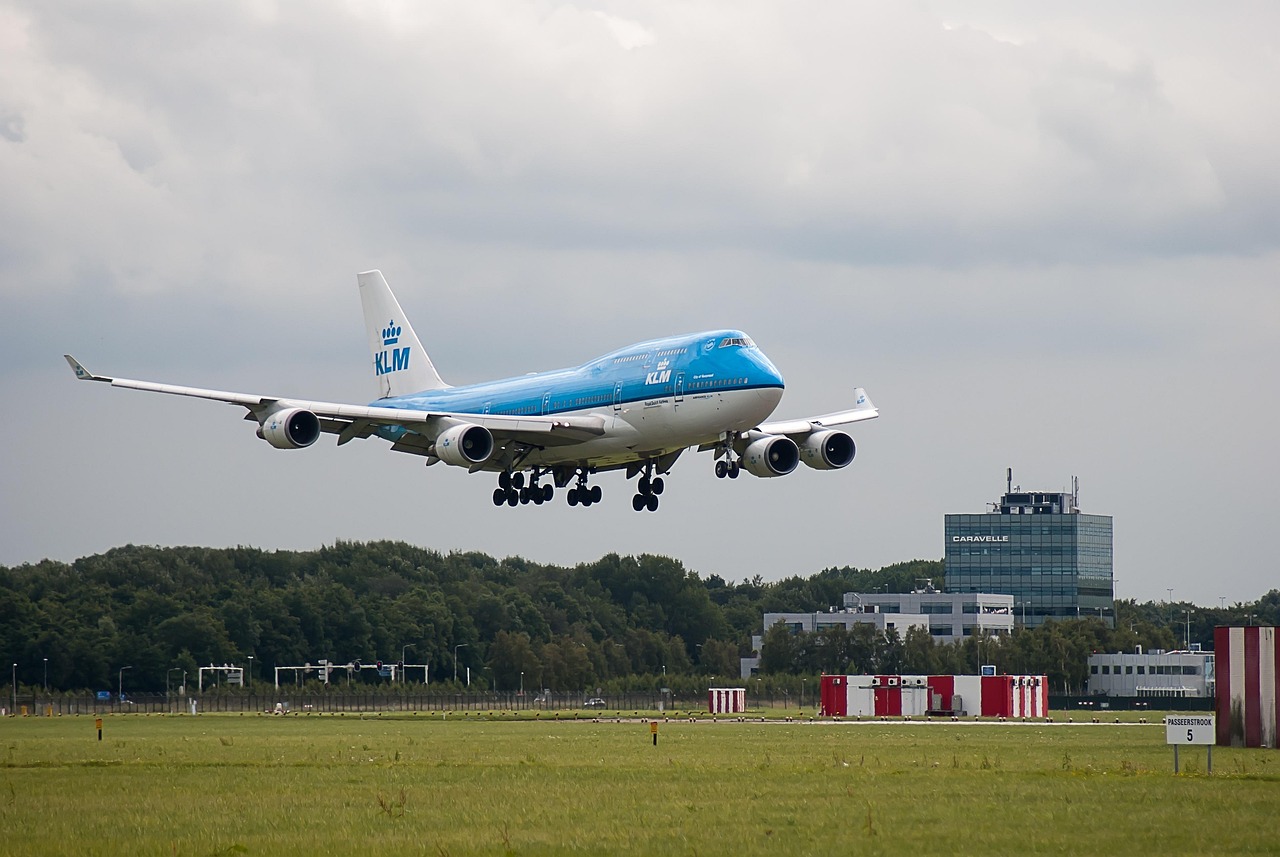 |
| Why Jet Fuel Doesn’t Freeze at –50°C (The Hidden Science of High-Altitude Flight) |
5. Jet Fuel is Formulated with Additives to Stay Liquid
Jet fuel includes additives like:
- Anti-freezing agents
- Anti-icing chemicals
- Static dissipators
- Corrosion inhibitors
These keep the fuel flowing even if temperatures push the lower limits.
6. Why Water-Free Fuel is Critical
Water freezes at 0°C.
If fuel contained water droplets, they would freeze quickly and block filters.
This is why:
- Fuel storage tanks are drained
- Filtration systems remove moisture
- Fuel trucks test water content constantly
Dry fuel = no ice crystals blocking the engine’s fuel supply.
7. High-Altitude Engines Are Built to Handle Cold Fuel
Turbofan engines can run safely with
fuel as cold as –43°C or even lower.
Their internal pumps, heaters, and filters are designed to operate in freezing
conditions.
The FAA and EASA have strict minimum fuel temperature requirements to ensure safety.
8. What Happens If Fuel Gets Too Cold?
If fuel temperature approaches its freezing point:
- Warning appears in cockpit
- Pilots descend to warmer atmospheric layers
- Fuel mixes and warms from engine recirculation
- Aircraft returns to safe temperature range
In extreme cases, flights may divert — but freezing fuel inside tanks is extremely rare due to safety margins.
Conclusion
Jet fuel doesn’t freeze at –50°C because of:
- Its low natural freezing point
- Gradual freezing behavior
- Heat from engines and aircraft systems
- Precision monitoring and fuel management
- Special additives
- Aircraft design that keeps fuel warm
This combination makes long-haul flights over the Arctic, Pacific, and high-altitude routes completely safe.
What seems like a “how can fuel survive that temperature?” mystery is actually a masterpiece of aviation engineering, chemistry, and physics.


