Why Did an Airbus A320
Revert to Direct Law During Windshear?
Modern Airbus aircraft are famous for their advanced Fly-By-Wire (FBW) systems and sophisticated flight envelope protections. These technologies continuously assist pilots by preventing excessive pitch attitudes, stalls, overspeeds, and other potentially hazardous flight conditions.
However, under certain abnormal circumstances, aircraft computers may progressively degrade from Normal Law into Alternate Law and eventually Direct Law, placing more responsibility directly onto the flight crew.
A serious aviation incident involving a South African Airways Airbus A320-200 on May 11, 2026 provides an excellent case study of how Airbus flight control systems respond during multiple simultaneous threats.
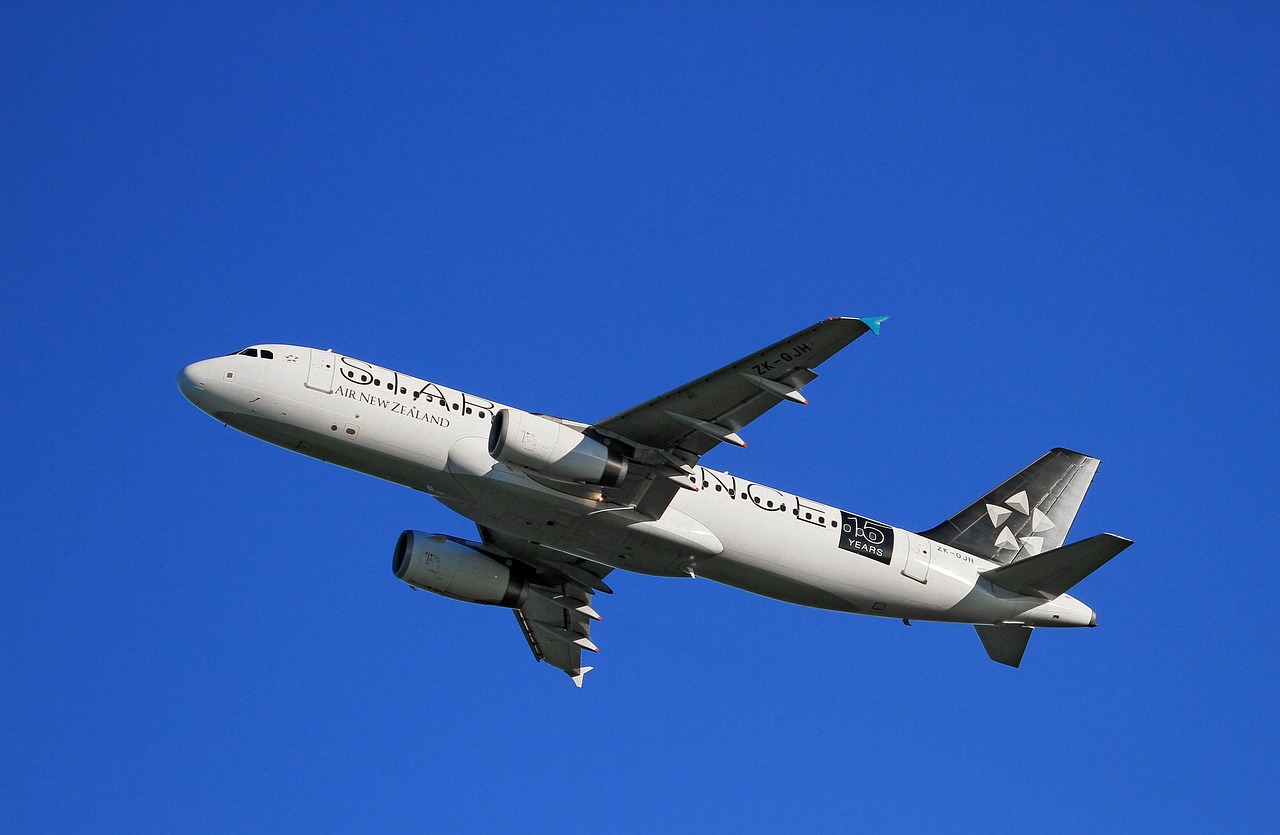
What Happened During Flight SA-327?
The Airbus A320 was operating Flight SA-327 from Johannesburg to Cape Town when the crew received reports that several aircraft ahead had been unable to land due to adverse weather conditions.
The crew elected to enter a holding pattern while assessing weather conditions and operational options.
After air traffic control reported that aircraft were once again landing successfully, the crew continued toward Cape Town and prepared the cabin for expected turbulence.
The First Windshear Encounter
During the monitored approach, ATC instructed the crew to maintain minimum clean speed because of traffic ahead.
Shortly afterward, the aircraft encountered a significant windshear event resulting in an estimated loss of 20–40 knots of airspeed.
Windshear is one of the most dangerous weather phenomena encountered during approach and landing because it can rapidly alter:
- Airspeed
- Lift
- Aircraft performance
- Climb capability
What Triggered Alpha Floor Protection?
As airspeed rapidly decreased, the Airbus system activated:
- ALPHA FLOOR Protection
Alpha Floor is an Airbus-specific safety function that automatically commands maximum available thrust whenever the aircraft approaches a critical angle of attack.
The purpose is simple:
- Prevent aerodynamic stall
- Restore safe airspeed
- Increase aircraft energy state
Why Did the Crew Select Flaps 1?
To improve lift characteristics and provide additional margin against stall, the crew selected:
- Flaps 1
Deploying limited flap extension increases wing lift and helps the aircraft remain controllable at lower airspeeds.
What Is the ELAC System?
At approximately the same time, the aircraft experienced an:
- Elevator Aileron Computer (ELAC) Pitch Fault
The ELAC computers are among the primary flight control computers responsible for:
- Pitch control
- Elevator commands
- Aileron commands
- Flight envelope protection functions
When critical faults occur within these systems, Airbus logic automatically degrades flight control laws.
Understanding Airbus Flight Control Laws
Airbus Fly-By-Wire aircraft operate using several levels of flight control law:
| Control Law | Protection Level |
|---|---|
| Normal Law | Full flight envelope protections |
| Alternate Law | Partial protections available |
| Direct Law | Minimal computer intervention |
| Mechanical Backup | Very limited manual control capability |
Why Did the Aircraft Enter Alternate Law?
Following the ELAC pitch fault, the aircraft transitioned from:
- Normal Law
- to
- Alternate Law
In Alternate Law, certain flight envelope protections may be reduced or lost, including some stall and overspeed protections.
Pilots therefore assume greater responsibility for monitoring aircraft performance.
Why Did the Autopilot Disconnect?
Because of the flight control degradation, the aircraft's:
- Autopilot automatically disengaged
and could not be re-engaged.
This is a deliberate safety feature because autopilot operation depends upon reliable flight control computer data.
The Second Windshear Encounter
Soon after recovering from the initial windshear, the aircraft encountered another significant windshear event.
This time the windshear produced:
- Rapid airspeed increase
- Acceleration
- Overspeed tendencies
The crew responded by retracting flaps while managing the aircraft's energy state.
What Is an Overspeed Warning?
An Overspeed Warning occurs when aircraft speed approaches structural or operational limits.
Excessive speed can:
- Increase aerodynamic loads
- Damage flaps and slats
- Create structural stress
- Reduce safety margins
Why Did the Aircraft Enter Direct Law?
As the crew lowered the landing gear, the flight control system further degraded into:
- Direct Law
In Direct Law:
- Computer protections are largely removed
- Pilot control inputs directly command control surfaces
- The aircraft behaves more like a conventional aircraft
How Pilots Train for Direct Law Operations
Airbus crews regularly practice:
- Alternate Law approaches
- Direct Law landings
- Autopilot failures
- Windshear recoveries
- Flight control malfunctions
inside advanced full-flight simulators.
How Airbus Tests Flight Control Systems
The Airbus flight control architecture undergoes extensive certification testing including:
- Failure Mode Analysis
- Fault Injection Testing
- Redundancy Verification
- Flight Envelope Validation
- Simulator Evaluation Programs
Maintenance of ELAC and Flight Control Computers
Airlines routinely inspect and test:
- ELAC computers
- Flight control actuators
- Air data systems
- Control surface sensors
- Electrical connections
Maintenance engineers also review aircraft health-monitoring data to identify abnormalities before failures occur.
Why the Landing Was a Success
Despite facing:
- Multiple Windshear Encounters
- Alpha Floor Activation
- ELAC Pitch Fault
- Alternate Law Operation
- Direct Law Landing
the crew successfully landed the aircraft on Cape Town's Runway 01 approximately eleven minutes after the first windshear encounter.
Conclusion
The South African Airways Airbus A320 incident of May 11, 2026 demonstrates the remarkable resilience of modern Fly-By-Wire aircraft.
Although the aircraft experienced severe weather, flight control computer faults, autopilot loss, Alternate Law degradation, and ultimately Direct Law operation, the layered safety architecture of Airbus aircraft ensured that the crew retained full control of the situation.
This event serves as a valuable reminder that modern aviation safety is built upon multiple independent layers of protection involving advanced engineering, rigorous certification standards, comprehensive maintenance programs, and highly trained flight crews.
Even when automation steps back, the aircraft remains designed to fly safely—and trained pilots remain the final and most important layer of defense.


