Why Are Jet Engines So Loud on the Ground But Quieter in Flight?
Jet engines are among the loudest machines ever built. Standing near an airport during takeoff can feel almost overwhelming because modern turbofan engines generate enormous acoustic energy.
Yet once inside the aircraft during cruise flight, the engines often sound surprisingly quiet compared to the deafening roar heard from the ground.
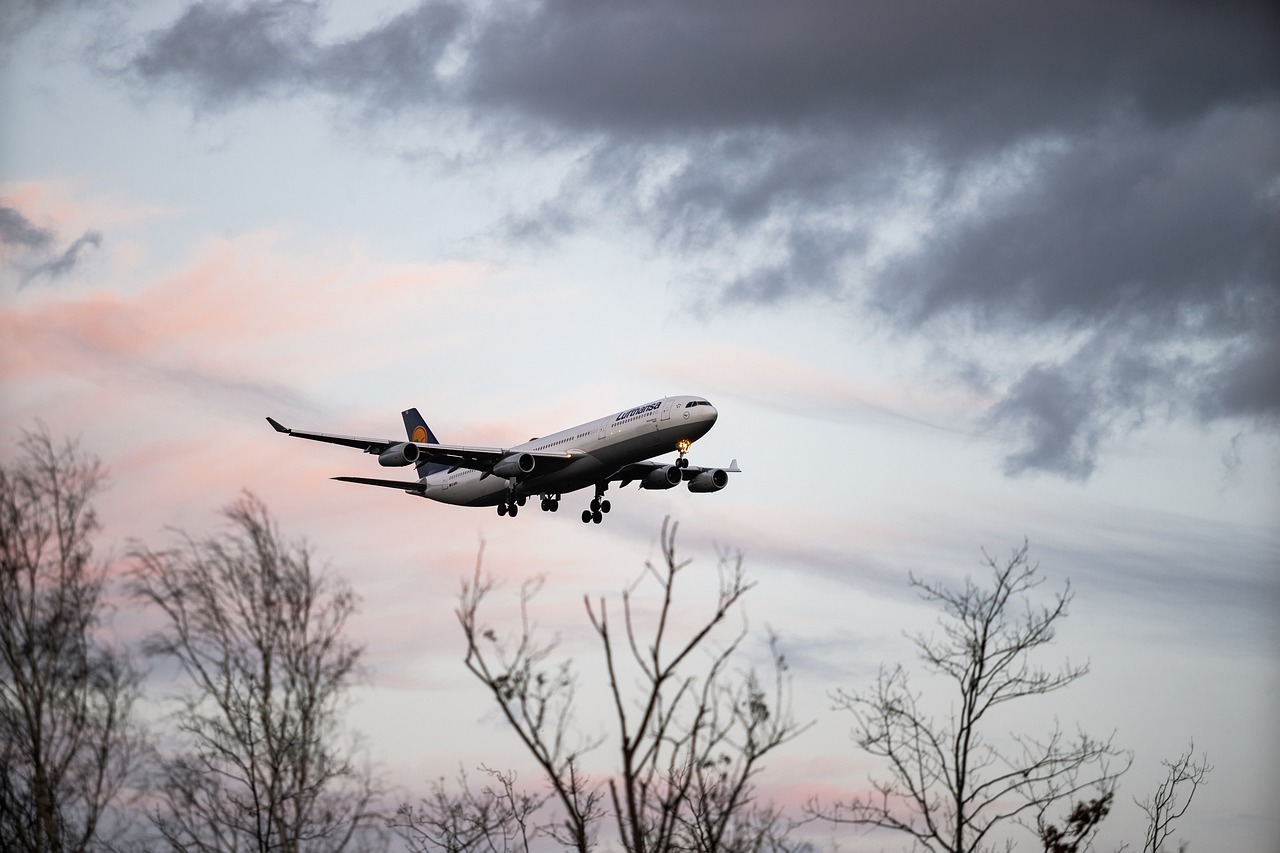
What Actually Creates Jet Engine Noise?
Jet engine noise mainly comes from:
- Turbulent exhaust mixing
- Fan blade noise
- Compressor and turbine noise
- Combustion noise
- Airframe turbulence
The Physics of Jet Noise
Jet exhaust exits the engine at extremely high velocity.
When this fast-moving exhaust mixes violently with slower surrounding air, turbulence generates powerful sound waves.
Why Takeoff Is So Loud
During takeoff, engines operate near:
- 80–100% thrust
This creates:
- Maximum airflow
- Maximum exhaust velocity
- Maximum turbulence
- Maximum acoustic energy
Jet Noise Depends Strongly on Exhaust Velocity
Jet noise increases dramatically with exhaust speed.
Why High-Bypass Turbofans Are Quieter
Modern commercial aircraft use:
- High-bypass turbofan engines
These engines move massive amounts of air at lower velocity rather than accelerating smaller amounts of air extremely fast.
Higher bypass ratios help reduce noise because:
- Exhaust speed is lower
- Turbulence intensity decreases
- Mixing becomes smoother
Why Engines Seem Quieter During Cruise Flight
Once the aircraft reaches cruise altitude:
- Engines reduce thrust significantly
- Fuel flow decreases
- Exhaust velocity drops
- Turbulence decreases
Distance Makes a Huge Difference
Sound intensity decreases rapidly with distance.
As aircraft climb higher:
- Sound spreads out
- Atmospheric absorption increases
- Ground observers hear much less noise
Why It Sounds Different Inside the Cabin
Aircraft cabins are heavily engineered for:
- Noise insulation
- Vibration damping
- Acoustic absorption
Modern aircraft use:
- Insulated fuselage panels
- Acoustic blankets
- Double-wall structures
- Vibration isolators
Engine Placement Matters Too
Most engine noise travels:
- Behind the engine
Passengers sitting ahead of the wings hear less engine noise than people on the ground directly behind departing aircraft.
Ground Reflection Amplifies Noise
On the ground, sound waves reflect off:
- Runways
- Buildings
- Terrain
- Airport structures
These reflections increase perceived loudness.
Why Fighter Jets Are Much Louder
Military fighter jets use:
- Low-bypass turbofans
- Turbojets
- Afterburners
These produce:
- Extremely high exhaust velocity
- Intense turbulence
- Massive acoustic energy
Modern Noise Reduction Technologies
Modern engines use advanced noise reduction features:
- Chevron nozzles
- Acoustic liners
- Fan blade optimization
- Low-noise combustors
Airframe Noise During Landing
During landing, engine thrust is relatively low.
At this stage, much of the noise comes from:
- Landing gear turbulence
- Flaps and slats
- Airframe airflow
The Future of Quiet Aircraft
Future aircraft technologies include:
- Ultra-high bypass engines
- Open rotor engines
- Hybrid-electric propulsion
- Advanced acoustic materials
Conclusion
Jet engines sound extremely loud on the ground because takeoff requires enormous thrust, creating violent turbulent exhaust mixing close to observers and reflective surfaces.
During flight, engines operate at lower thrust, aircraft are much farther away, cabins are acoustically insulated, and modern high-bypass turbofans dramatically reduce noise generation. Through advanced aerodynamics, acoustic engineering, and engine design, today’s aircraft are far quieter than the jets of previous generations.


