How Are Updated International Air Law Protocols
Addressing Drone Interference with Commercial Flights in 2026?
The global aviation industry is facing a challenge that barely existed two decades ago: the explosive growth of unmanned aircraft systems, commonly known as drones.
While drones have created new opportunities in logistics, photography, agriculture, infrastructure inspection, emergency response, and defense applications, they have also introduced significant risks to commercial aviation. Reports of drones operating near airports, approach paths, and controlled airspace have increased dramatically in recent years.
In response, international regulators, aviation authorities, and air navigation organizations have introduced updated legal frameworks during 2026 aimed at reducing the threat posed by unauthorized drone activity near commercial flights.
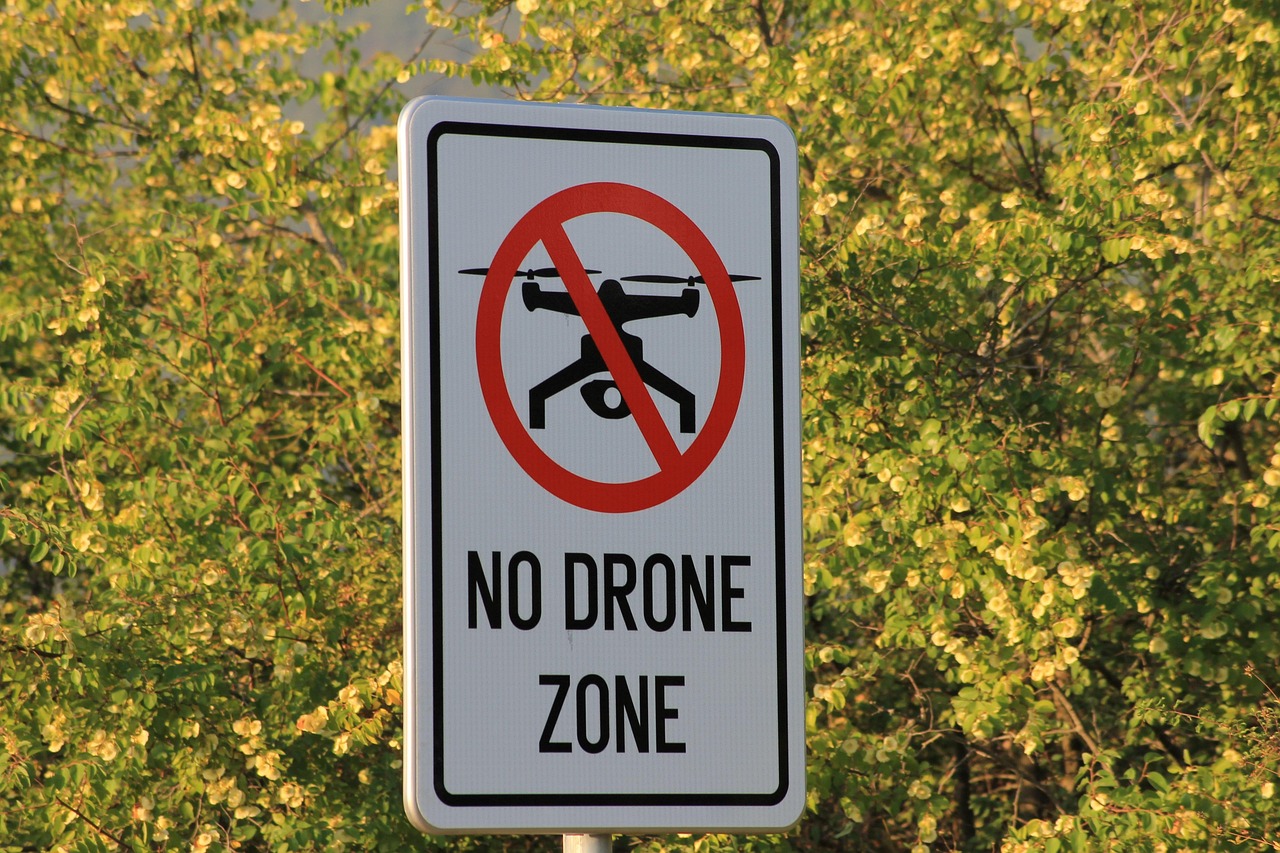
Why Are Drones a Growing Concern for Aviation?
Unlike conventional aircraft, many drones can be purchased easily, operated with minimal training, and flown by users who may have little understanding of aviation regulations.
The primary concerns include:
- Airport Airspace Intrusions
- Approach Path Violations
- Runway Operation Disruptions
- Mid-Air Collision Risks
- Unauthorized Surveillance Activities
Even a small drone can pose a significant hazard when operating near a commercial aircraft traveling at high speed.
What Changed in International Air Law During 2026?
Updated international aviation protocols increasingly recognize drones as permanent participants within the broader aviation ecosystem.
Key areas receiving greater regulatory attention include:
- Remote Identification Requirements
- Cross-Border Enforcement Cooperation
- Enhanced Registration Standards
- Airport Protection Measures
- Drone Traffic Management Integration
The objective is to improve accountability while enabling safe integration of drones into national airspace systems.
What Is Remote Identification?
One of the most important developments involves:
- Remote ID Technology
Remote ID functions similarly to a digital license plate for drones.
It allows authorities to identify:
- The drone operator
- Registration information
- Location data
- Flight status information
This capability significantly improves accountability and enforcement.
How Airport Protection Zones Are Being Strengthened
Many updated legal frameworks expand restrictions around:
- Airport Exclusion Zones
- Runway Protection Areas
- Approach Corridors
- Departure Paths
These protected areas reduce the likelihood of drones interfering with arriving or departing aircraft.

How Modern Airports Detect Drones
Traditional radar systems were designed primarily for larger aircraft and may not always detect small drones effectively.
As a result, airports increasingly deploy:
- Drone Detection Radar
- Radio Frequency Sensors
- Electro-Optical Cameras
- Thermal Imaging Systems
- Acoustic Detection Networks
These technologies improve situational awareness and support rapid response procedures.
What Is UTM (Unmanned Traffic Management)?
A major focus of international aviation policy is the development of:
- Unmanned Traffic Management (UTM)
UTM systems are designed to coordinate drone operations safely within increasingly crowded airspace.
Capabilities include:
- Flight authorization
- Real-time tracking
- Airspace conflict management
- Automated route coordination
Future UTM systems may operate alongside conventional air traffic management systems.
Why International Cooperation Is Essential
Drone operations frequently involve:
- Cross-border manufacturing
- International software platforms
- Global supply chains
- Foreign operators
Because aviation is inherently international, effective regulation requires cooperation among multiple countries and regulatory agencies.
How Airlines Are Being Affected
Drone incidents can create significant operational disruptions.
Potential consequences include:
- Flight Delays
- Ground Stops
- Diversions
- Increased Fuel Costs
- Passenger Disruptions
Even a single unauthorized drone sighting can temporarily halt airport operations.
What Happens If a Drone Collides with an Aircraft?
Unlike birds, drones contain rigid components such as:
- Batteries
- Motors
- Metal parts
- Electronic equipment
These components may behave differently during impacts compared to biological materials.
Research continues regarding:
- Windshield Resistance
- Engine Ingestion Effects
- Structural Damage Mechanisms
The Role of Counter-Drone Technologies
Many airports and authorities are evaluating:
- Electronic Countermeasures
- Signal Detection Systems
- Drone Interception Technologies
- Geofencing Solutions
These systems aim to prevent unauthorized drones from entering protected airspace.
Key Elements of the Updated 2026 Framework
| Area | Primary Objective |
|---|---|
| Remote Identification | Improve operator accountability |
| Registration Systems | Enhance regulatory oversight |
| Airport Protection Zones | Reduce interference risks |
| UTM Development | Manage future drone traffic |
| International Cooperation | Strengthen enforcement capabilities |
What Could Happen Beyond 2026?
Industry experts expect continued growth in:
- Autonomous Drone Operations
- Urban Air Mobility
- Advanced Air Mobility Networks
- AI-Assisted Airspace Management
Future regulations will likely focus on integrating these technologies while preserving the exceptionally high safety standards of commercial aviation.
Conclusion
The updated international air law protocols of 2026 represent a significant step toward addressing the growing challenge of drone interference with commercial aviation.
Through stronger identification requirements, expanded airport protection measures, advanced detection technologies, and increased international cooperation, regulators are working to reduce risks while supporting innovation in the unmanned aviation sector.
As drone usage continues to expand worldwide, maintaining a balance between technological progress and aviation safety will remain one of the industry's most important priorities.
The success of these new frameworks will ultimately depend upon effective enforcement, technological advancement, operator education, and continued global collaboration.


