Every time you book a flight, check-in online, scan an airport code, or carry luggage through security — you are interacting with IATA.
You may not know its name, but its rules shape everything in commercial aviation.
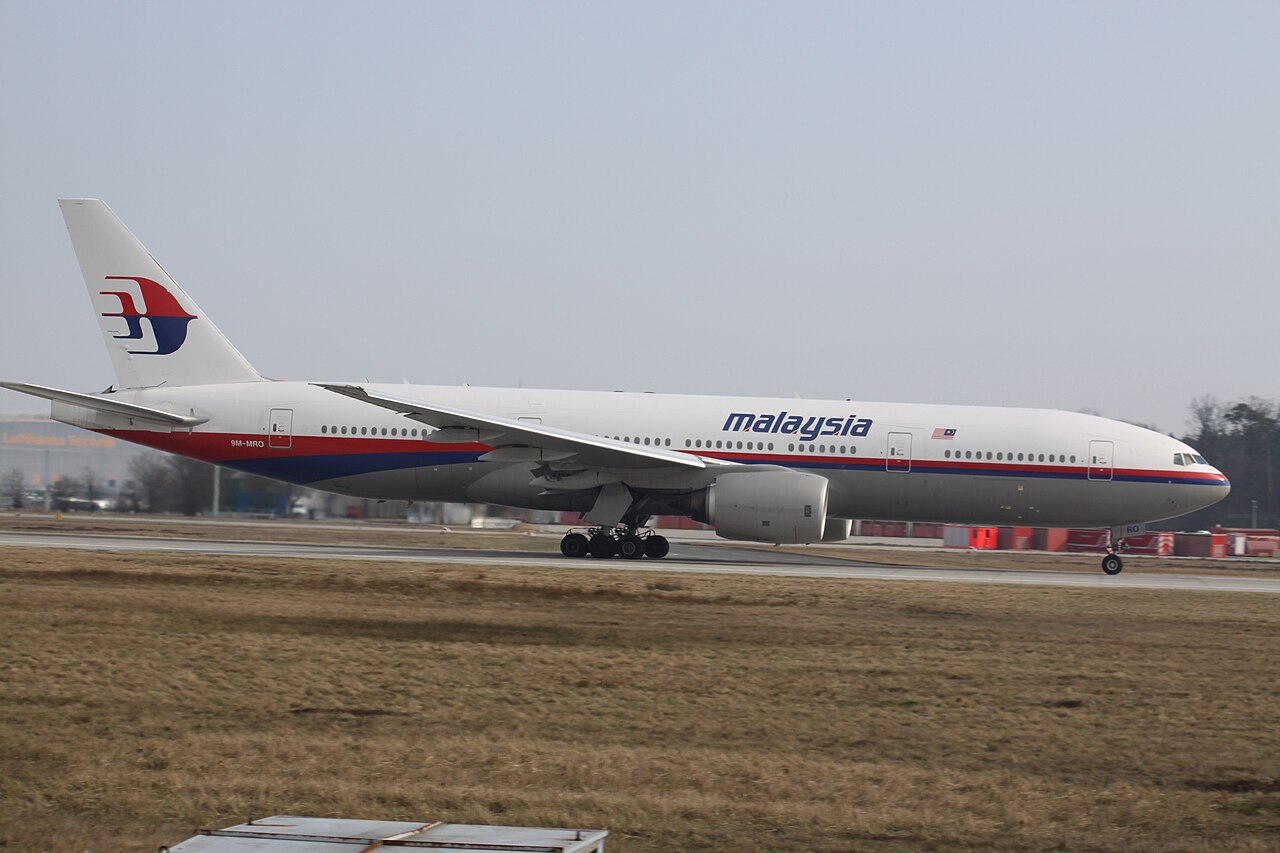 |
| IATA: The Global Organization That Keeps Aviation Running Smoothly |
This organization ensures safety, uniformity, and smooth global operations for more than 300 airlines across the world.
Welcome to the world of IATA — the International Air Transport Association.
 |
| IATA: The Global Organization That Keeps Aviation Running Smoothly |
What is IATA?
IATA (International Air Transport Association) is a global trade association representing the world's airlines.
Founded in 1945, headquartered in Montreal, it aims to:
- Make air travel safe
- Standardize airline operations
- Support global air transport
- Regulate ticketing, cargo, and airline business practices
Today, IATA consists of:
- 300+ airlines
- Operating over 80% of global air traffic
- Across 120+ countries
So, when IATA speaks — the aviation world listens.
What Does IATA Actually Do?
1. Sets Global Safety Standards
IATA creates and manages the IATA Operational Safety Audit (IOSA) — one of the strictest airline safety audits in the world.
Airlines must pass IOSA to remain IATA members.
2. Creates Airport Codes (Like DEL, JFK, DXB)
Ever wondered why Delhi is DEL, Dubai is DXB, and New York is JFK?
Those are IATA airport codes.
Without these standard codes, global flight operations would be chaos.
3. Ticketing Rules & Fare Standards
IATA develops:
- Fare classes
- Ticketing rules
- Billing systems
- Refund standards
- Interline agreements
This allows you to:
➡️
Buy one ticket
➡️ Fly multiple airlines
➡️ Connect across continents seamlessly
4. Cargo & Shipping Regulations
IATA controls global air cargo guidelines, including the handling of:
- Dangerous goods
- Medical supplies
- Lithium batteries
- Vaccines
- Explosives and chemicals
The IATA Dangerous Goods Regulations (DGR) is the gold standard for safe transport.
5. Passenger Experience Standards
IATA sets rules for:
- Cabin baggage size
- Check-in baggage weight
- E-ticket formats
- Boarding passes
- Bar-coded labels
- Accessibility for disabled passengers
These rules keep flying consistent across every airline.
6. Environmental & Sustainability Policies
IATA leads aviation’s shift to cleaner skies:
- Net-zero 2050 commitment
- Promotion of Sustainable Aviation Fuels (SAF)
- Carbon offset programs (CORSIA)
7. Crisis Management
During global events like:
- COVID-19
- Volcanic ash clouds
- Airspace shutdowns
- War conflicts
IATA provides airlines with global guidelines and builds coordinated recovery plans.
Why IATA Is Important for Airlines and Passengers
For Airlines:
- Cuts costs via global standards
- Ensures safe and legal operations
- Facilitates international cooperation
- Helps in training and certification
- Supports dispute resolution
For Passengers:
- Safer flights
- Consistent baggage rules
- Standard ticketing
- Clear refund guidelines
- Reliable airport codes
- Seamless multi-airline travel
Without IATA, global air travel would be slow, expensive, and extremely chaotic.
IATA vs ICAO — What’s the Difference?
|
IATA |
ICAO |
|
Trade association for airlines |
UN specialized agency for aviation |
|
Focus: Commercial aviation |
Focus: Regulations & safety laws |
|
Members: Airlines |
Members: 193 countries |
|
Makes business rules |
Makes international aviation laws |
Both work together but serve different purposes.
Behind the Scenes: How IATA Influences Your Flight
IATA silently influences many aspects of your journey:
- Why your cabin bag is 7 kg → IATA standard
- Why DEL is DEL → IATA code
- Why your ticket shows Y, M, W class → IATA fare codes
- Why lithium batteries are restricted → IATA DGR
- Why airlines can share flights → IATA interline agreements
Even your ticket format (ETKT) and boarding pass layout are IATA-designed.
Future of IATA
IATA is pushing aviation into the next era:
1. Digital Travel Passport
A universal digital ID for seamless travel.
2. 100% biometric airports
Face-based check-in and boarding.
3. Net-zero emissions roadmap
Sustainable fuels and green aviation.
4. Autonomous cargo systems
Drones + automated loading.
With these innovations, IATA will continue shaping aviation's future.
IATA is the invisible engine that keeps
global aviation running smoothly.
From safety standards and ticketing to airport codes and cargo rules, it
ensures that people and goods travel safely across 190+ countries with
predictable, consistent procedures.
Next time you see a boarding pass or check an airport code — remember, IATA is working silently behind the scenes.





0 Comments