The Silent Engine Behind Global Aviation
When most people think of airlines,
they imagine shiny jets owned by big carriers. But here’s the truth almost no
passenger knows: more than half of the world’s commercial aircraft are not
owned by airlines—they are leased.
Behind the scenes, a trillion-dollar economic machine controls aircraft
financing, airline expansion, ticket prices, and even national aviation
strategies.
This is the hidden world of aircraft leasing—a powerful game played by
banks, billion-dollar firms, and governments.
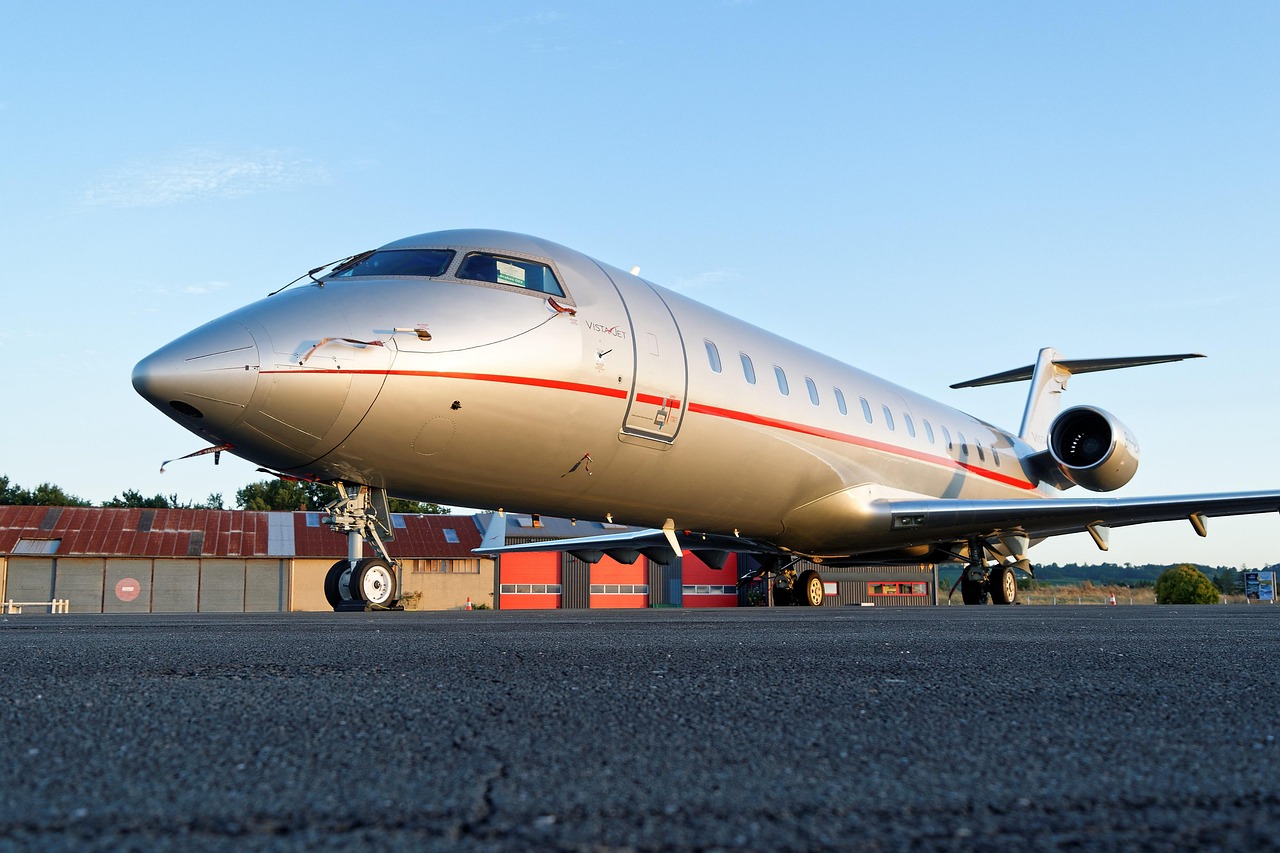 |
| How Aircraft Leasing Became a Trillion-Dollar Power Game Nobody Talks About |
What Exactly Is Aircraft Leasing?
Aircraft leasing means airlines use
planes through long-term contracts instead of buying them outright.
Why?
Because a new Airbus A350 or Boeing 787 can cost $120–$350 million each—an
impossible upfront burden for most carriers.
Leasing splits that cost into manageable payments, just like renting but on a global, industrial scale.
Why Aircraft Leasing Became So Big
The rise of leasing is tied to three factors:
1. Explosive Air Travel Growth
Low-cost carriers (LCCs) grew worldwide—Ryanair, Indigo, AirAsia, Southwest. These airlines scale fast, and leasing lets them add aircraft immediately without waiting years for deliveries.
2. Massive Financing Gaps
Most airlines simply cannot afford to purchase fleets. Leasing companies stepped in with Wall-Street-level capital.
3. Flexibility in a High-Risk Industry
Airlines face fuel shocks, pandemics, political instability, and bankruptcies. Leasing gives them breathing room instead of sinking billions into assets.
The Hidden Players: Lessors Who Quietly Control the Skies
✅ AerCap (Ireland) – The world’s largest lessor
Controls over 2,000 aircraft. Its decisions influence global fleet trends.
✅ SMBC Aviation Capital (Japan)
Backed by Japanese mega-banks, specializing in narrow-body jets.
✅ Avolon (Ireland)
A major leasing force with a global network.
✅ Air Lease Corporation (USA)
Founded by Steven Udvar-Házy, the pioneer of modern leasing.
✅ Chinese Leasing Giants
Over the last decade, China has become a dominant force, quietly acquiring fleets to strengthen its geopolitical leverage.
These companies—not airlines—own the jets most people fly on.
Why the World’s Biggest Lessors Come From Ireland
Ireland became the leasing capital due to:
- Favorable tax laws
- Experienced aviation finance workforce
- EU regulatory environment
- Strategic proximity to Airbus and Boeing markets
Today, over 50% of the global leased fleet is managed from Ireland.
How Leasing Gives Airlines Unmatched Power
✅ 1. Rapid Expansion
Airlines can grow routes instantly without waiting 5–7 years for new aircraft.
✅ 2. Lower Financial Risk
Leasing turns billions in asset purchases into predictable monthly costs.
✅ 3. Better Fleet Management
Airlines can swap old jets for newer ones without massive resale headaches.
✅ 4. Global Competitive Advantage
Low-cost airlines became giants because leasing allowed massive fleet scale.
The Dark Side: How Leasing Can Destroy Airlines
Leasing is powerful but dangerous.
❌ High Monthly Payments
If demand drops (e.g., pandemics), airlines bleed cash fast.
❌ Repossession Risk
Lessors can take aircraft back almost immediately during financial trouble.
❌ Geopolitical Conflicts
When sanctions hit Russia in 2022, over $10 billion worth of leased aircraft got trapped—triggering one of aviation’s biggest financial fights.
Leasing exposes airlines to global politics, not just business risks.
The Money Machine: How Leasing Became a Trillion-Dollar Ecosystem
Aircraft leasing is not just about renting planes—it’s a financial engine involving:
✅ Investment Funds
Wall Street firms pump billions into fleet purchases.
✅ Sovereign Wealth Funds
Middle Eastern and Asian nations own significant stakes.
✅ Long-Term Contracts
10–15 year leases generate predictable cash flows.
✅ Asset-Backed Securities
Aircraft are packaged into financial instruments (ABS), creating a trillion-dollar aviation debt market.
This is why leasing is quietly one of the most profitable niches in global finance.
How Airlines, Airports, and Even Countries Depend on It
Without leasing:
- Low-cost carriers would collapse
- Start-up airlines couldn’t launch
- Developing nations couldn’t modernize fleets
- Global air travel would slow dramatically
- Ticket prices would surge
Leasing keeps the entire aviation system afloat.
The Future: Why Leasing Will Dominate Even More
✅ Massive aircraft backlog (Airbus & Boeing are sold out for years)
✅ Demand for fuel-efficient fleets
✅ Emerging-market airline growth
✅ Electric and hybrid aircraft financing
✅ Rise of mega-lessors through mergers
Within a decade, 70%+ of the world’s fleet may be leased.
Conclusion: The Biggest Aviation Power Game Nobody Sees
Aircraft leasing is the invisible force shaping global aviation. It decides:
- Which airlines expand
- Which routes open
- How fleets evolve
- Who survives crises
- How nations project economic power
While passengers see airline logos, the real power lies with the companies that own the metal—controlling billions of dollars of flying assets from offices in Dublin, Tokyo, Beijing, and New York.
Aircraft leasing isn’t a side business.
It’s a global power game—quiet, strategic, and worth over a trillion dollars.




0 Comments