When you look at a modern aircraft, you might notice tiny holes on the fuselage — these are static ports. Though small and often overlooked, they play a vital role in ensuring accurate flight data. In aviation, where even a minor error in air pressure reading can lead to disaster, static ports are literally life-savers.
What Is a Static Port?
A static port is a small vent located on the side of an aircraft’s fuselage that measures static air pressure — the pressure of the surrounding, undisturbed air. This data is crucial because it feeds into the air data system, helping calculate altitude, vertical speed, and airspeed.
Static ports are carefully positioned where airflow around the fuselage is least disturbed. Even a small dent or blockage can cause serious misreadings.
How Static Ports Work
Static ports work in coordination with the Pitot tube.
- The Pitot tube measures dynamic pressure (airflow due to speed).
- The static port measures ambient static pressure.
By comparing both pressures, aircraft instruments — like the altimeter, airspeed indicator, and vertical speed indicator — compute accurate readings. Essentially, static ports allow pilots to “see” how high and fast they’re flying.
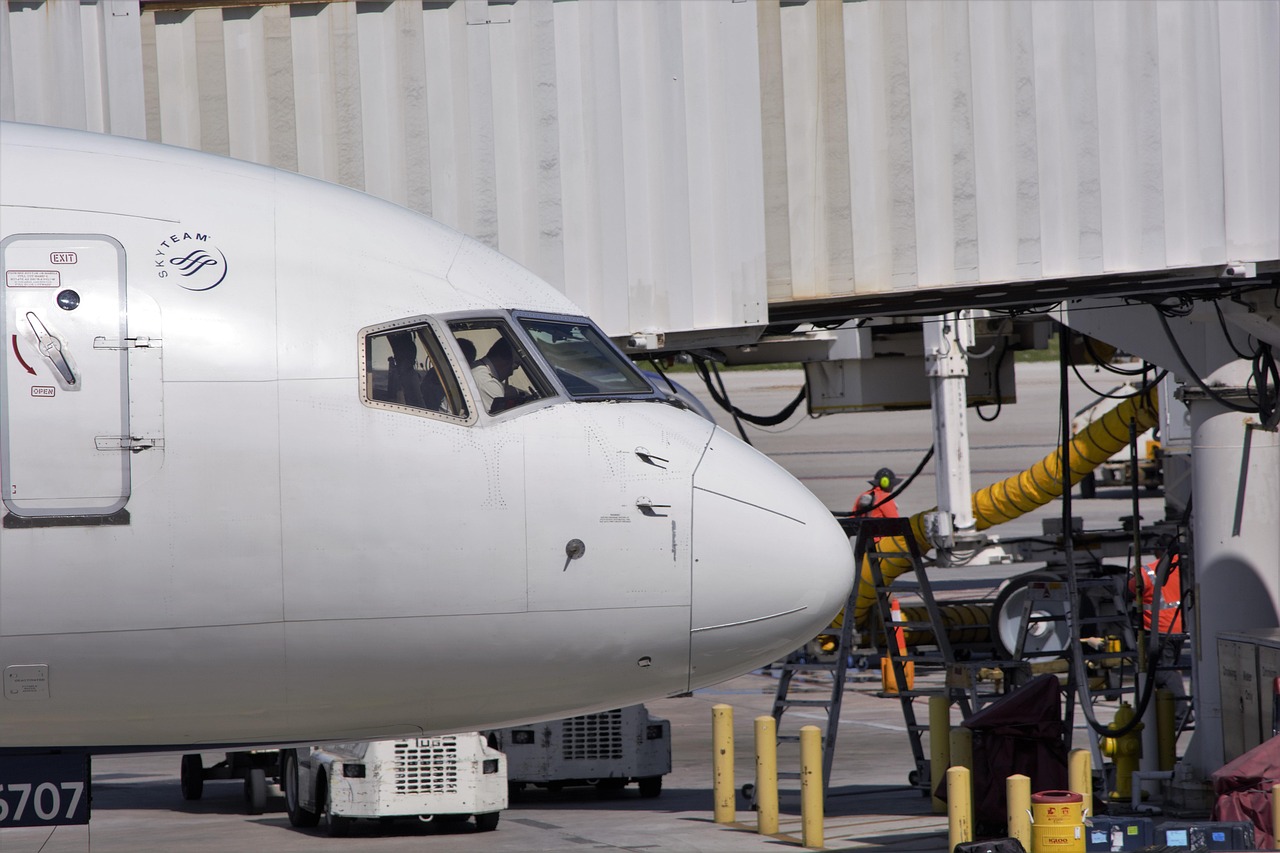 |
| What Are Static Ports and How Do They Keep Planes Safe in Flight? |
Accidents Caused by Static Port Blockage
Even a small obstruction, like a piece of tape, can lead to catastrophe.
- Aeroperú Flight 603 (1996): Static ports were accidentally taped during cleaning and never uncovered. The crew received false altitude and speed readings, leading to a fatal crash into the Pacific Ocean.
- Birgenair Flight 301 (1996): Though caused primarily by a Pitot tube blockage, static pressure errors added to the confusion, illustrating how dependent flight systems are on accurate pressure readings.
These tragedies changed maintenance protocols worldwide. Airlines now use stricter inspection procedures before takeoff to ensure all ports are clean and unobstructed.
Safety Measures and Modern Solutions
Modern aircraft include:
- Multiple static ports on each side to ensure redundancy.
- Heated sensors to prevent ice formation.
- Advanced Air Data Computers (ADC) to cross-check inconsistent readings.
These improvements have made commercial flying safer than ever, even under extreme weather conditions.
Conclusion
The static port may be one of the smallest parts of an aircraft, but its role in flight safety is massive. It ensures pilots get accurate information about airspeed and altitude — crucial for every takeoff, cruise, and landing. In aviation, precision is survival, and static ports make sure of it.





0 Comments