What Role Should Advanced Simulation Play in Crew Resource Management Training After Recent Incidents?
Aviation safety has consistently evolved through lessons learned from incidents, accidents, and operational challenges. While modern aircraft are equipped with highly advanced systems, many investigations continue to identify human factors, communication breakdowns, and decision-making errors as contributing elements in safety events.
As a result, the aviation industry has increasingly emphasized Crew Resource Management (CRM), a training philosophy focused on effective teamwork, communication, situational awareness, leadership, and threat management.
Recent incidents have raised important questions about whether traditional CRM training methods are sufficient and how advanced simulation technologies can better prepare crews for increasingly complex operational environments.
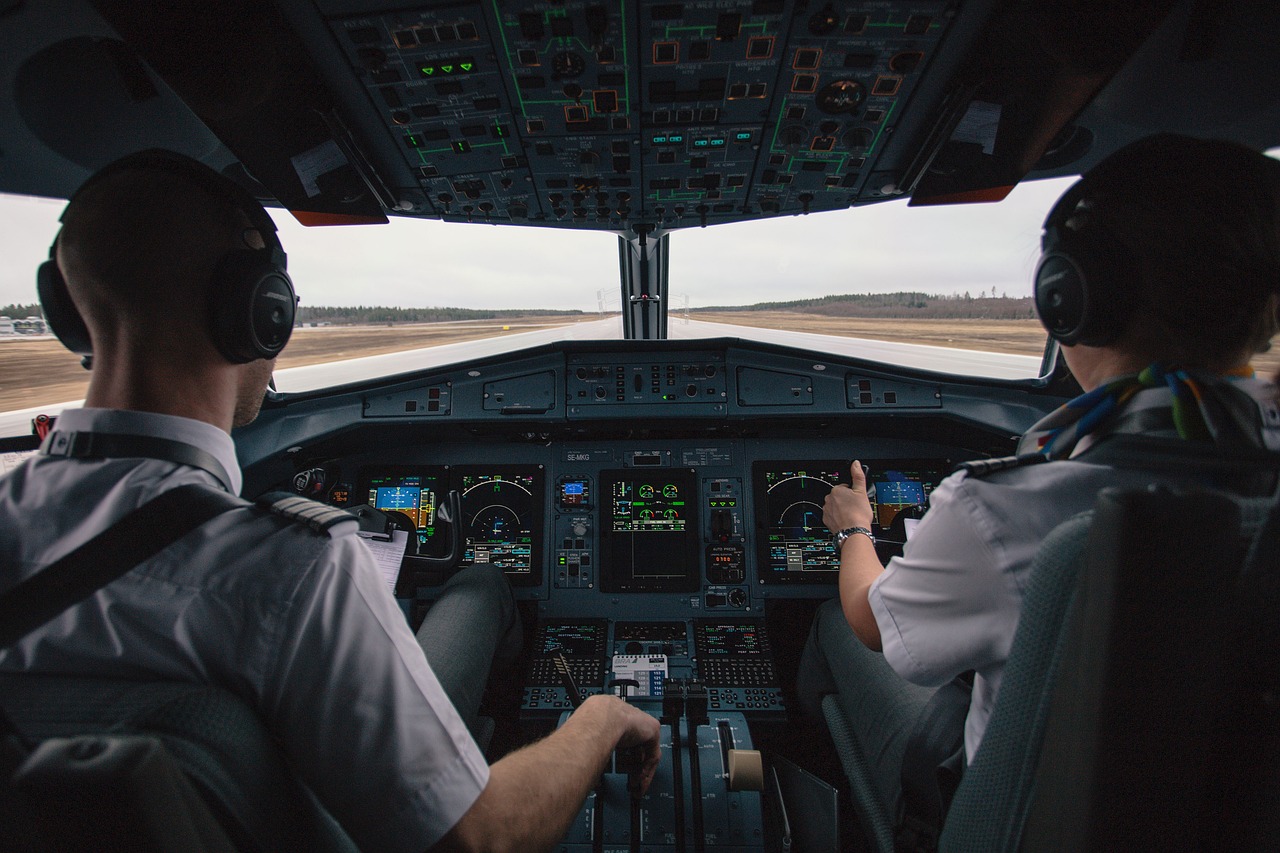
What Is Crew Resource Management (CRM)?
Crew Resource Management refers to the effective use of all available resources—human, technical, and procedural—to ensure safe and efficient flight operations.
CRM training focuses on:
- Communication skills
- Leadership and followership
- Decision-making
- Situational awareness
- Workload management
- Threat and error management
- Team coordination
The objective is to help crews recognize risks early and respond effectively before small problems develop into major safety events.
Why Have Recent Incidents Renewed Interest in CRM?
Many recent operational incidents have highlighted challenges involving:
- High Workload Situations
- Communication Breakdowns
- Automation Management
- Unexpected System Failures
- Rapidly Changing Conditions
- Decision-Making Under Stress
Although modern aircraft technology continues to improve, pilots and crews must still make critical decisions in dynamic environments where time, information, and resources may be limited.
What Makes Advanced Simulation Different?
Traditional CRM training often relies on classroom instruction, discussions, case studies, and standard simulator exercises.
Advanced simulation expands training by creating:
- Highly realistic flight environments
- Dynamic emergency scenarios
- Complex operational disruptions
- Multi-crew coordination challenges
- Real-time decision-making exercises
- Cross-department collaboration events
These systems allow crews to experience realistic operational pressures without exposing passengers or aircraft to actual risk.
How Can Simulations Improve Decision-Making?
Decision-making is one of the most critical elements of CRM.
Advanced simulators can expose crews to situations involving:
- Weather deterioration
- Equipment malfunctions
- Medical emergencies
- Fuel management challenges
- Diversion decisions
- Navigation disruptions
By repeatedly practicing these scenarios, crews learn to evaluate risks, prioritize actions, and make informed decisions under pressure.
Strengthening Communication Under Stress
One of the most common findings in aviation investigations is ineffective communication between crew members.
Advanced CRM simulations can test:
- Pilot-to-Pilot Communication
- Pilot-to-Cabin Crew Coordination
- Crew-to-Dispatch Communication
- Pilot-to-ATC Interaction
Simulators can recreate high-stress situations where communication becomes challenging, allowing crews to practice maintaining clarity and discipline.
Managing Automation and Human Interaction
Modern airliners rely heavily on automation systems.
While automation improves efficiency, crews must understand:
- Automation limitations
- Mode awareness
- System monitoring
- Manual intervention procedures
- Unexpected automation behavior
Advanced simulations can replicate automation surprises and failures that may be difficult to reproduce during conventional training.
Enhancing Threat and Error Management
Modern CRM increasingly incorporates Threat and Error Management (TEM).
Advanced simulation scenarios help crews identify:
- Operational threats
- Environmental hazards
- Procedural deviations
- Human performance limitations
- Potential error chains
The ability to recognize threats before they escalate significantly improves safety margins.
Training for Rare but High-Consequence Events
Certain aviation emergencies occur so infrequently that most crews may never encounter them during their careers.
Examples include:
- Multiple system failures
- Severe weather encounters
- Smoke and fire events
- Loss of critical navigation systems
- Major cabin emergencies
Advanced simulators allow organizations to train crews for these low-frequency but high-impact situations in a safe environment.
The Role of Artificial Intelligence in CRM Simulation
Artificial Intelligence is beginning to transform simulation-based training.
Future systems may provide:
- Adaptive Training Scenarios
- Personalized Performance Analysis
- Behavioral Assessment Tools
- Real-Time Feedback Systems
- Predictive Skill Development Models
AI-driven simulations could automatically adjust difficulty levels and create unique operational situations tailored to individual crew performance.
Benefits of Multi-Crew and Cross-Functional Simulations
Modern aviation operations involve far more than pilots alone.
Advanced simulations can integrate:
- Flight crews
- Cabin crews
- Dispatch personnel
- Maintenance teams
- Air traffic controllers
- Operations centers
This broader approach helps participants understand how decisions made by one group affect the entire aviation system.
Potential Challenges and Limitations
Despite their advantages, advanced simulations also present challenges:
- High acquisition costs
- Technology maintenance requirements
- Instructor training needs
- Scenario design complexity
- Data management concerns
Organizations must ensure that simulation technology complements rather than replaces sound operational experience and human judgment.
How CRM Training May Evolve Over the Next Decade
Industry experts anticipate increasing adoption of:
- Immersive Virtual Reality Training
- Mixed-Reality Operational Scenarios
- AI-Powered Simulations
- Real-Time Performance Analytics
- Cross-Functional Safety Exercises
The goal will be to create training environments that more closely resemble the complexity of real-world aviation operations.
Key Benefits of Advanced CRM Simulation
| Training Area | Primary Benefit |
|---|---|
| Decision-Making | Improves judgment under pressure |
| Communication | Strengthens coordination among teams |
| Automation Management | Enhances understanding of advanced systems |
| Emergency Response | Improves preparedness for rare events |
| Threat Management | Supports early risk identification |
| Teamwork | Develops stronger crew collaboration |
Conclusion
Recent aviation incidents have reinforced the importance of effective Crew Resource Management and highlighted the growing complexity of modern flight operations.
Advanced simulation technologies offer an opportunity to move beyond traditional training approaches by providing realistic, immersive, and repeatable learning experiences. These systems allow crews to practice communication, decision-making, leadership, and emergency response skills in environments that closely resemble real operational conditions.
As aviation continues to embrace digital transformation, artificial intelligence, and increasingly sophisticated aircraft systems, advanced simulation is likely to become one of the most important tools for developing the next generation of highly resilient aviation professionals.
The future of CRM training will not simply be about teaching procedures—it will be about creating realistic experiences that help crews think, communicate, and perform effectively when facing the unexpected.


