How Did the February 2026 Ground Handling Incident Reveal Gaps in Ramp Safety Protocols?
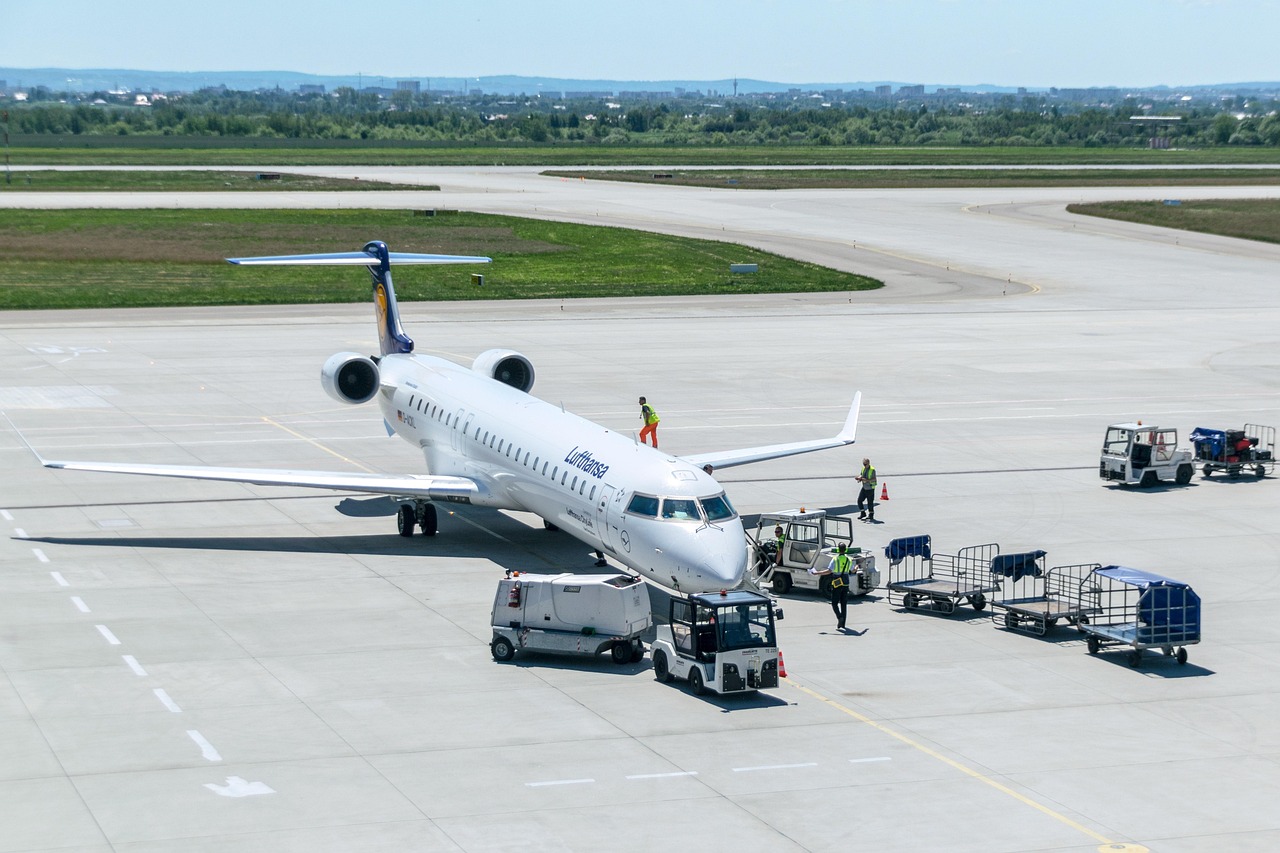
While aviation safety discussions often focus on events occurring in flight, a substantial number of operational risks exist on the ground. Airport ramps are among the busiest and most complex work environments in aviation, involving aircraft, baggage equipment, fuel vehicles, maintenance personnel, catering trucks, and ground service teams operating simultaneously in confined spaces.
The February 2026 ground handling incident served as a reminder that even routine ground operations can create significant safety hazards when procedures are not consistently followed or when communication gaps emerge.
Although ground incidents rarely attract the same public attention as flight-related events, they can result in aircraft damage, operational disruptions, injuries, and substantial financial losses.

What Is Ground Handling?
Ground handling encompasses all activities performed to support an aircraft while it is on the ground.
These operations typically include:
- Aircraft marshalling
- Baggage loading and unloading
- Cargo handling
- Aircraft towing
- Refueling operations
- Catering services
- Pushback procedures
- Passenger boarding support
Because many tasks occur simultaneously within a limited area, effective coordination is essential to maintain safety and efficiency.
Why Did the February 2026 Incident Attract Industry Attention?
The incident highlighted concerns that have been identified repeatedly throughout aviation safety investigations:
- Vehicle-Proximity Risks
- Human Factors Challenges
- Communication Breakdowns
- Situational Awareness Issues
- Procedural Deviations
- Operational Time Pressure
Safety reviews suggested that multiple layers of protection may have been weakened simultaneously, allowing a routine operation to develop into a reportable incident.
Understanding Ramp Safety Protocols
Ramp safety protocols are designed to protect personnel, equipment, and aircraft during ground operations.
Typical protocols include:
- Vehicle speed restrictions
- Aircraft safety zones
- Equipment positioning requirements
- Communication procedures
- Personal protective equipment rules
- Foreign Object Debris (FOD) controls
These measures create multiple layers of defense intended to prevent accidents and operational disruptions.
The Challenge of Vehicle Operations Near Aircraft
Ground service vehicles operate extremely close to aircraft structures.
Common vehicles include:
- Baggage carts
- Pushback tractors
- Fuel trucks
- Catering vehicles
- Maintenance platforms
- Cargo loaders
Even minor positioning errors can lead to aircraft damage or create hazardous situations for ramp personnel.
How Communication Gaps Contribute to Incidents
Effective communication is essential during ramp operations.
Potential challenges include:
- Misunderstood Instructions
- Radio Communication Issues
- Language Barriers
- Incomplete Briefings
- Poor Coordination Between Teams
The February 2026 event reinforced the importance of standardized communication procedures across all operational groups.
The Impact of Human Factors
Human factors remain one of the most significant contributors to ground incidents.
Common influences include:
- Fatigue
- Distractions
- Complacency
- Workload pressure
- Time constraints
- Reduced situational awareness
Safety experts frequently emphasize that even experienced personnel can make errors when exposed to operational pressures.
How Time Pressure Can Affect Safety
Airlines strive to maintain on-time performance, creating pressure to complete turnaround activities efficiently.
While operational efficiency is important, excessive urgency can contribute to:
- Procedure shortcuts
- Reduced inspections
- Incomplete communication
- Missed hazard identification
- Increased error rates
The incident renewed discussion about balancing operational efficiency with safety priorities.
The Importance of Situational Awareness
Ramp environments change continuously as personnel, vehicles, and aircraft move throughout operational areas.
Maintaining situational awareness requires:
- Continuous observation
- Hazard recognition
- Effective communication
- Environmental monitoring
- Awareness of surrounding activities
Loss of situational awareness has been identified as a recurring factor in many ground handling incidents worldwide.
What Improvements Are Airports and Airlines Considering?
Following industry reviews, several improvement areas received increased attention:
- Enhanced Ramp Safety Training
- Improved Vehicle Monitoring Systems
- Digital Safety Reporting Tools
- Stronger Compliance Audits
- Expanded Human Factors Programs
Many organizations are also exploring technologies that provide greater visibility of vehicle movements and operational hazards.
The Growing Role of Technology in Ramp Safety
Emerging technologies may help reduce future incidents through:
- Vehicle collision warning systems
- Geofencing technology
- Real-time equipment tracking
- Artificial intelligence monitoring tools
- Digital ramp management platforms
These technologies can provide additional safeguards by identifying hazards before they develop into incidents.
Lessons Learned from the February 2026 Incident
The event reinforced several long-standing aviation safety principles:
- Procedural Discipline Matters
- Communication Must Be Clear
- Situational Awareness Is Critical
- Human Factors Require Continuous Management
- Technology Can Enhance Safety Defenses
The incident demonstrated that even routine ground activities require constant vigilance and effective coordination.
Key Ramp Safety Gaps Identified
| Safety Area | Gap Revealed |
|---|---|
| Communication | Potential misunderstandings between operational teams |
| Vehicle Operations | Insufficient separation or monitoring controls |
| Human Factors | Fatigue, distractions, and workload challenges |
| Procedural Compliance | Inconsistent adherence to established protocols |
| Situational Awareness | Reduced awareness of nearby hazards |
| Technology Integration | Opportunities for enhanced monitoring systems |
Conclusion
The February 2026 ground handling incident highlighted the continuing challenges associated with managing complex ramp operations safely. Although aviation has achieved remarkable safety improvements over the years, airport ramps remain dynamic environments where human factors, vehicle movements, communication, and operational pressures intersect.
The lessons identified from this event have encouraged airlines, airports, and ground service providers to reexamine existing ramp safety protocols and strengthen risk mitigation strategies.
As new technologies, improved training programs, and enhanced safety management systems become more widely adopted, the industry's ability to prevent future ground handling incidents is expected to improve further.
Ultimately, the event reinforced a fundamental aviation principle: safety begins long before an aircraft leaves the ground and continues throughout every stage of airport operations.


0 Comments