How Are Black Boxes (Flight Data Recorders) Engineered to Survive Crashes?
After every aircraft accident, investigators search for one critical device — the Black Box. Despite catastrophic crashes, fires, and deep-sea impacts, these devices often survive and reveal exactly what happened.
What is a Black Box?
A Flight Data Recorder (FDR) and Cockpit Voice Recorder (CVR) together form what we call the black box.
- FDR records flight parameters (speed, altitude, heading)
- CVR records cockpit audio
These systems store up to 25 hours of flight data and cockpit conversations for investigation.
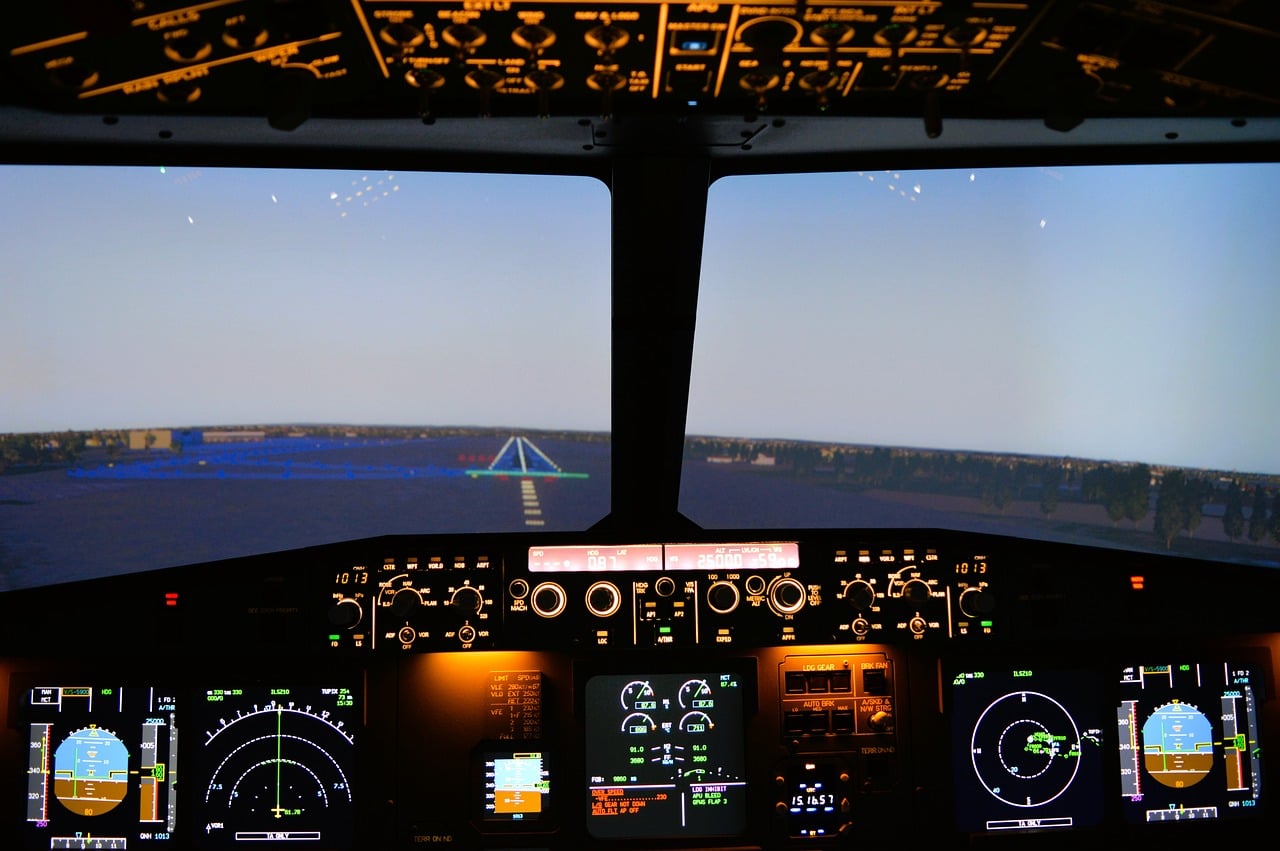
Core Engineering: Crash Survivable Memory Unit (CSMU)
The heart of the black box is the Crash-Survivable Memory Unit (CSMU), which stores all critical data.
- Solid-state memory chips
- Protected by multiple layers of shielding
Multi-Layer Protection System
1. Inner Aluminum Layer
A thin aluminum housing protects sensitive electronics.
2. High-Temperature Insulation
A thick layer of silica-based insulation protects against extreme heat.
3. Outer Titanium/Steel Shell
The outer casing is made of stainless steel or titanium for maximum strength.
Extreme Conditions Black Boxes Can Survive
- Impact forces up to 3400 G
- Fire temperatures ~1100°C
- Deep-sea pressure (20,000 ft underwater)
- Crushing forces of thousands of PSI
These standards ensure survival in worst-case crash scenarios.
Why Black Boxes Are Placed in the Tail
Black boxes are usually installed in the tail section of the aircraft.
- Tail experiences less impact in crashes
- Higher chances of survival and recovery
Underwater Survival & Locator Beacon
If an aircraft crashes into water, the black box activates an Underwater Locator Beacon (ULB).
- Emits ultrasonic signals for 30 days
- Helps recovery teams locate it
Testing: How Engineers Ensure Survivability
Before certification, black boxes undergo extreme tests:
- Crash impact tests (air cannons)
- Fire resistance tests
- Pressure & water immersion tests
Limitations of Black Boxes
- May be difficult to locate
- Can be damaged beyond recovery in rare cases
- Data retrieval can take months or years
Future of Black Box Technology
- Cloud-based data transmission
- Real-time monitoring systems
- Video recording integration
Conclusion
The black box is a masterpiece of engineering, designed to survive extreme crashes and preserve critical data. Through multi-layer protection, advanced materials, and rigorous testing, it ensures that even in the worst disasters, the truth can be uncovered.


