Every wing ever built — from the
graceful curve of a glider to the razor-edged delta of a fighter jet — is the
result of a thousand trade-offs.
Designing a wing isn’t just about making it fly; it’s about balancing lift, drag,
and stability so that an aircraft performs exactly as intended. Each design
decision — shape, angle, and proportion — changes how the airplane behaves in
the air.
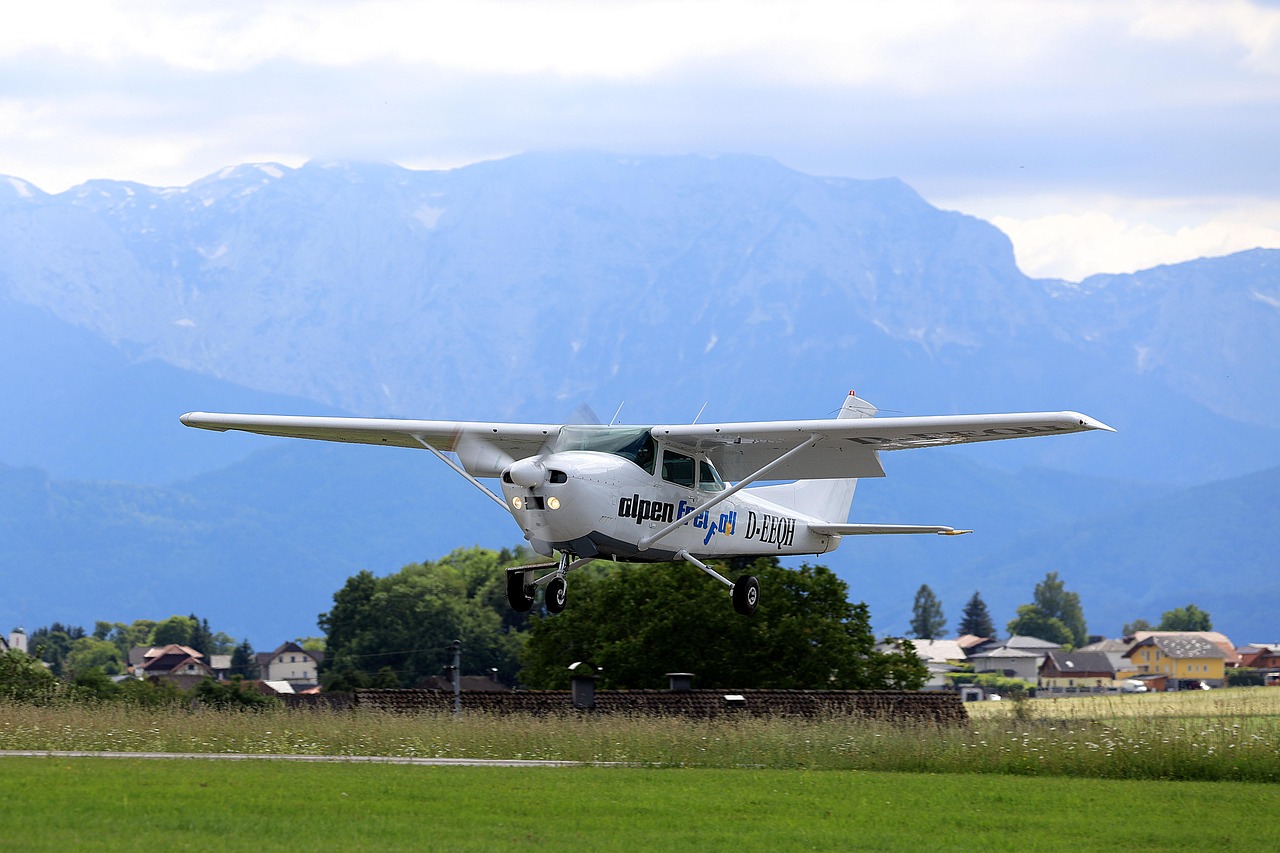 |
| Why Wing Design Is an Art of Compromise: Lift, Drag, and Stability in One Frame |
Welcome to the hidden world where engineering meets artistry: the art of compromise in wing design.
1. The Balancing Act of Aerodynamics
A perfect wing doesn’t exist. A design
that gives maximum lift might create too much drag; one that minimizes drag may
sacrifice maneuverability; and a stable design might reduce agility.
Aerospace engineers must constantly juggle these competing needs — depending on
whether the aircraft is built to glide efficiently, carry heavy loads, or break
the sound barrier.
Every curve, corner, and contour on a wing is a mathematical negotiation between physics and performance.
2. The Planform: The Wing’s Fingerprint
The planform — the shape of a wing as seen from above — defines how air moves around it and how the aircraft handles flight forces. It influences everything from speed to stability.
Common wing planforms include:
- Rectangular Wings:
Simple, easy to manufacture, and excellent for slow-speed stability. Used in trainers like the Cessna 152.
Downside: High drag and poor performance at high speeds. - Tapered Wings:
Narrower tips reduce induced drag and improve efficiency. Used in aircraft like the Boeing 737.
Downside: More complex to build and may stall near the tips first. - Elliptical Wings:
Offer the best lift distribution with minimal induced drag. Famous example: Spitfire fighter of WWII.
Downside: Difficult and expensive to manufacture. - Delta Wings:
Triangular shape designed for supersonic flight (e.g., Dassault Rafale, Mirage 2000).
Downside: Poor low-speed performance and higher landing speeds.
Each planform tells a story — one of purpose and compromise.
3. Aspect Ratio: The Secret to Lift Efficiency
The Aspect Ratio (AR) is the ratio of a wing’s span to its chord (width). It determines how efficiently the wing generates lift for a given drag.
Aspect Ratio (AR) = Wing Span2 /Wing Area
- High Aspect Ratio (Long, Narrow Wings):
Found on gliders and airliners. They create strong lift with low induced drag — ideal for endurance and fuel efficiency.
Example: Boeing 787 Dreamliner or sailplanes.
Trade-off: Structurally weaker, more prone to bending, and harder to maneuver. - Low Aspect Ratio (Short, Wide Wings):
Used in fighters and aerobatic planes for agility and strength.
Example: F-16 Fighting Falcon.
Trade-off: Higher drag, less efficient at cruising.
Thus, aspect ratio determines how gracefully — or aggressively — an aircraft moves through the sky.
4. Sweep Angle: The Supersonic Advantage
The sweep angle — how much the
wings are angled backward (or forward) — is a masterstroke of aerodynamic
compromise.
At high speeds, air tends to compress and form shock waves. Swept wings delay
this effect by reducing the airflow’s perpendicular speed over the wing.
- Backward Sweep (most common):
Reduces wave drag in high-speed flight. Found in most jets (e.g., Boeing 777, F-15 Eagle).
Trade-off: Less lift at low speeds, requiring higher takeoff and landing speeds. - Forward Sweep:
Improves maneuverability and stall resistance. Used experimentally in the X-29 aircraft.
Trade-off: Structural instability and twisting at high loads. - No Sweep (Straight Wing):
Perfect for subsonic aircraft like trainers or cargo planes — stable, simple, and efficient at low speeds.
The sweep angle is the designer’s lever to control how the aircraft interacts with compressibility — the invisible barrier near the speed of sound.
5. The Triangle of Trade-Offs: Lift, Drag, and Stability
At its core, every wing must satisfy three competing goals:
|
Goal |
What It Needs |
What It Sacrifices |
|
Lift |
Larger surface area, high AoA |
More drag |
|
Low Drag |
Smooth, slender shape |
Less lift, less maneuverability |
|
Stability |
Centered lift and weight |
Reduced agility |
A long, slender airliner wing is
efficient but less agile.
A short, swept fighter wing offers agility but drinks fuel faster.
The ideal design doesn’t maximize one — it balances all three to match the
mission profile.
6. Performance Optimization: The Engineer’s Canvas
Modern aircraft design uses advanced computational fluid dynamics (CFD) and wind tunnel testing to optimize this compromise. Designers tweak parameters like:
- Wing twist (washout) to control stall behavior
- Winglets to reduce induced drag
- Variable-sweep wings (e.g., F-14 Tomcat) for adaptable performance
Even AI-driven aerodynamic modeling is now used to find micro-optimizations that improve fuel efficiency by fractions of a percent — savings worth millions in airline operations.
Every extra kilometer per liter of fuel is a victory of design refinement over physical limits.
7. Art Meets Physics
Wing design is often described as “frozen music” — a harmony of form, flow, and function. The artist seeks beauty; the engineer seeks balance. The aerospace designer must seek both.
A wing is not just a piece of metal — it’s a compromise sculpted in airflow, where each curve whispers the story of lift earned, drag reduced, and stability preserved.
Conclusion: The Poetry of Compromise
No two aircraft wings are ever the same
— because no two missions are.
Every airplane, from a soaring glider to a roaring jet, carries within its
wings the silent logic of trade-offs.
Lift, drag, and stability
are not enemies — they are three forces held together by human ingenuity.
And the art of flight, in the end, is the art of keeping them all in perfect
balance.
A long, slender airliner wing is
efficient but less agile.
A short, swept fighter wing offers agility but drinks fuel faster.
The ideal design doesn’t maximize one — it balances all three to match the
mission profile.
6. Performance Optimization: The Engineer’s Canvas
Modern aircraft design uses advanced computational fluid dynamics (CFD) and wind tunnel testing to optimize this compromise. Designers tweak parameters like:
- Wing twist (washout) to control stall behavior
- Winglets to reduce induced drag
- Variable-sweep wings (e.g., F-14 Tomcat) for adaptable performance
Even AI-driven aerodynamic modeling is now used to find micro-optimizations that improve fuel efficiency by fractions of a percent — savings worth millions in airline operations.
Every extra kilometer per liter of fuel is a victory of design refinement over physical limits.
7. Art Meets Physics
Wing design is often described as “frozen music” — a harmony of form, flow, and function. The artist seeks beauty; the engineer seeks balance. The aerospace designer must seek both.
A wing is not just a piece of metal — it’s a compromise sculpted in airflow, where each curve whispers the story of lift earned, drag reduced, and stability preserved.
Conclusion: The Poetry of Compromise
No two aircraft wings are ever the same
— because no two missions are.
Every airplane, from a soaring glider to a roaring jet, carries within its
wings the silent logic of trade-offs.
Lift, drag, and stability
are not enemies — they are three forces held together by human ingenuity.
And the art of flight, in the end, is the art of keeping them all in perfect
balance.


0 Comments