Take a look at almost any modern
commercial aircraft — Airbus A320, Boeing 737, 787, A350 — and you’ll notice
one thing in common:
The engines are almost always mounted under the wings.
This wasn’t always the case. Older jets
like the DC-9, MD-80, and even some regional aircraft placed engines at the
rear.
So why did the industry shift almost entirely to wing-mounted engines?
The answer lies in a mix of aerodynamics, economics, safety, and engineering evolution.
Let’s break it down.
✈️ 1. Structural Efficiency — The Wing Loves Carrying Weight
The wings already support the
aircraft’s entire lift.
Placing heavy engines under them actually helps reduce the bending stress
on the wing.
In simple terms:
- Lift pushes the wings up
- Engine weight pulls them down
- This balance reduces wing structural load
As a result:
✔
Lighter wing structure
✔
Lower manufacturing cost
✔
Higher efficiency
Rear-mounted engines don’t provide this advantage.
🌬️ 2. Better Aerodynamic Performance
Wing-mounted engines improve airflow
around the wings by acting as aerodynamic dampers.
They help reduce turbulence and provide a stabilizing effect during flight.
Rear engines, on the other hand, disturb airflow around the tail and fuselage, especially at high speeds.
🔧 3. Maintenance Becomes Cheaper and Faster
This is one of the biggest reasons.
Wing-mounted engines are:
- Easier to access
- Closer to the ground
- Faster to service
- Require fewer support vehicles
Airlines save millions every year because maintenance teams can inspect and repair engines quickly without special equipment.
Rear-mounted engines require elevated platforms, cranes, and more time — all expensive.
🛬 4. Better Handling During Engine Failure
When an engine fails, the aircraft yaws
(turns) toward the dead engine.
Engines placed farther from the centerline create larger yawing moments.
Wing-mounted engines keep the thrust line relatively close to the fuselage center, making engine-out situations:
✔ Easier to control
✔
Safer during takeoff
✔
Less demanding on the rudder
Rear-mounted engines create more extreme yaw in failures.
💸 5. Perfect Match for Large High-Bypass Engines
Modern airliners use massive high-bypass turbofan engines, which are wide and heavy.
Mounting them at the rear would cause:
- Balance issues
- Structural complications
- Longer fuselages
- Tailstrike risks
- Difficulty with ground clearance
Wings, however, are ideal for supporting these huge engines.
🟢 6. Fuel Efficiency and Noise Reduction
Engines under the wing:
- Improve fuel burn by reducing drag
- Allow for advanced nacelle design
- Keep cabin noise lower (wings block some sound)
Rear engines transmit vibration and noise directly into the fuselage — a major passenger comfort issue.
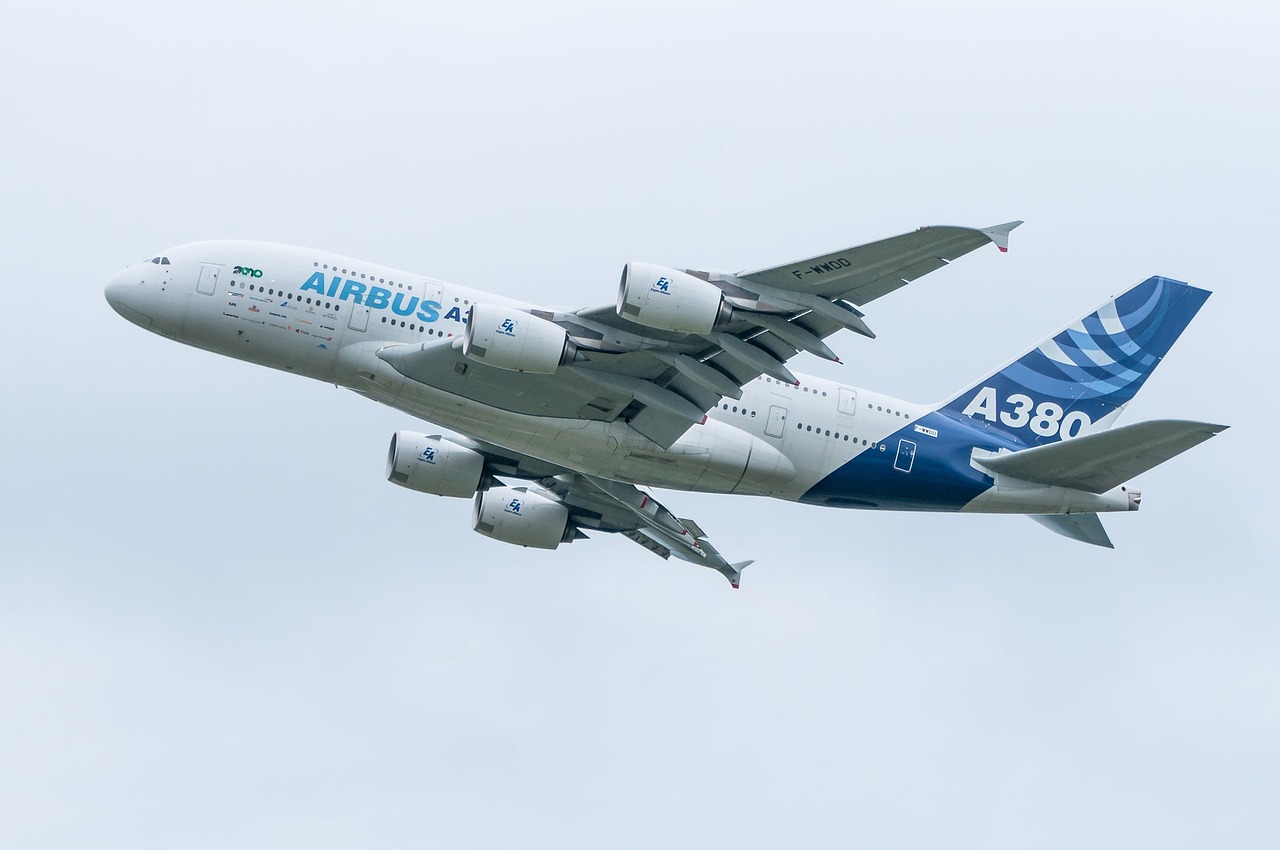 |
| Why Do Modern Jets Prefer Wing-Mounted Engines? The Real Engineering Secrets Behind This Design |
🌍 7. Better Weight Distribution and Landing Gear Placement
With heavy engines under the wings, aircraft can use:
- Shorter, simpler landing gear
- Better center-of-gravity control
- More efficient cabin layout
Rear-engine aircraft often need longer landing gear or special fuselage shapes.
🛩️ 8. Reduced Risk of Foreign Object Damage (FOD)
This depends on the aircraft type, but generally:
- Underwing engines on larger jets sit high enough to avoid runway debris.
Small regional jets with rear engines do avoid FOD better, but for large jets, the wing-mounted design is optimal.
🧾 Conclusion
Wing-mounted engines dominate modern jet design because they provide the perfect combination of:
✔ Structural efficiency
✔
Aerodynamic performance
✔
Lower maintenance cost
✔
Engine-out safety
✔
Compatibility with huge turbofan engines
✔
Fuel savings
✔
Passenger comfort
Rear-mounted engines had their era, but today’s aviation industry is driven by efficiency and cost — and wing-mounted engines win in almost every category.


0 Comments