Every flight ends the same way: the
landing.
But what passengers don’t realize is that the last 3–5 seconds of the flight
decide everything — smooth touchdown, hard landing, runway bounce, or a
full-on go-around.
That critical moment is called the flare.
It’s one of the most delicate, precise,
and pilot-skill–dependent maneuvers in aviation.
Even experienced pilots say:
“Takeoffs are optional. Landings — and flaring — are mandatory.”
Let’s break down what flaring really is and why it matters so much.
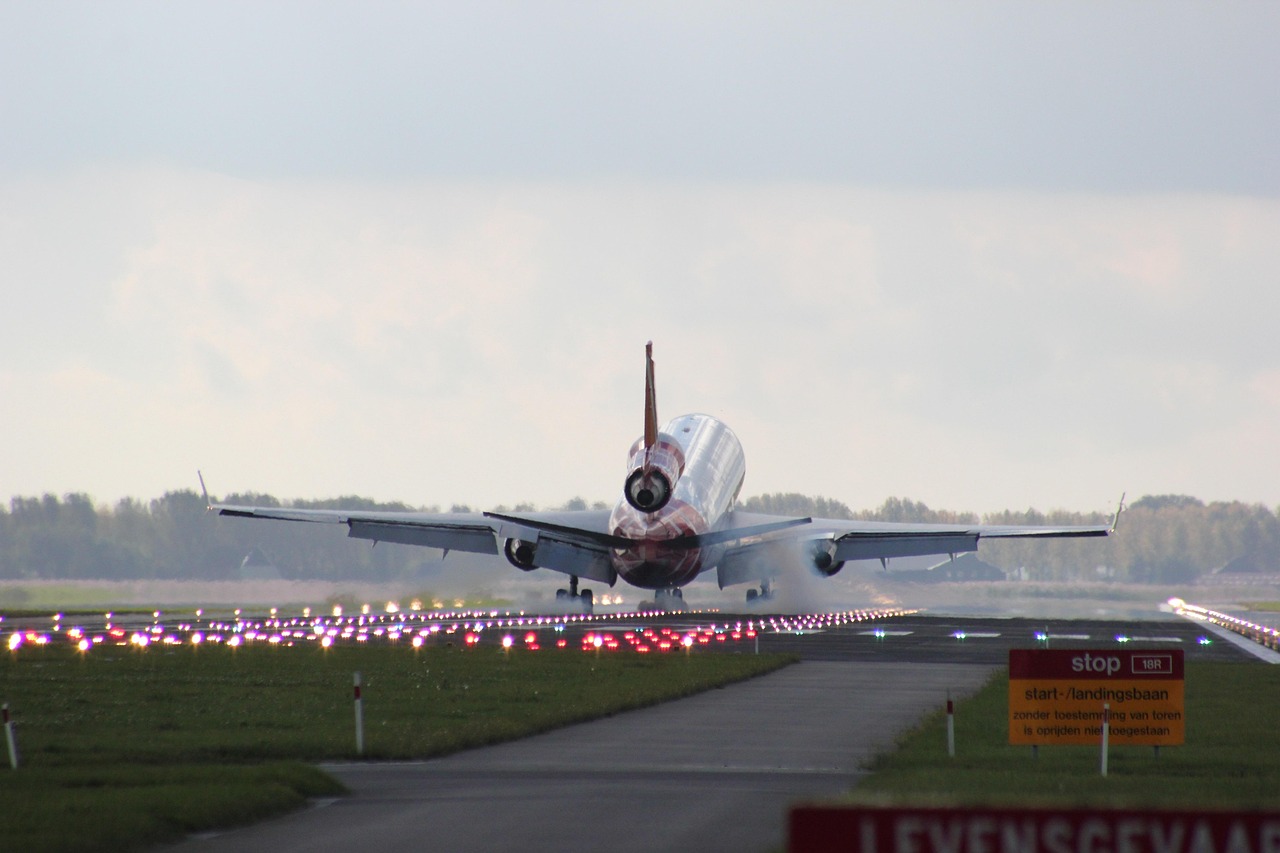 |
| Flaring: The One Skill That Makes Every Landing Smooth — or Terrifying |
What Is Flaring in Aviation?
Flaring is the maneuver performed just before touchdown where the pilot gently raises the aircraft’s nose to reduce the descent rate and align the aircraft for a smooth landing.
In simple words:
👉
It’s the moment when the pilot stops the aircraft from falling and lets it
settle onto the runway.
During flare, the aircraft transitions from descending → leveling off → touchdown.
Think of it like stretching your legs forward before jumping off a step — you’re preparing for a soft impact.
Why Flaring Is So Important
Flaring is a small input with massive
consequences.
Its importance lies in what it prevents:
1. Hard Landings
Poor flare → high descent rate → heavy impact → aircraft stress or damage.
2. Long Landings
Over-flare → aircraft floats → touchdown far down the runway → possible runway overrun.
3. Bouncing
Incorrect pitch angle → nose wheel hits first → bounce → unstable landing sequence.
4. Tailstrike
Too aggressive flare in long-bodied aircraft (A321, 737-900, 777-300) → tail hitting runway.
5. Smooth Touchdown
A perfect flare feels like landing on
butter.
Passengers cheer. Pilots smile. The aircraft thanks you.
What Happens Aerodynamically During Flare?
During flare:
✔ Nose pitch increases
Pilot pulls back slightly on the control column.
✔ Angle of attack increases
More lift is produced temporarily.
✔ Descent rate decreases
The aircraft stops falling toward the ground.
✔ Speed reduces
Due to added drag from raised nose.
✔ Touchdown happens at minimum safe speed
Main landing gear absorb the impact.
Flaring is essentially a skilled way of “bleeding off” descent without stalling.
How Pilots Know When to Start the Flare
It is usually initiated at 20–50 feet above the runway depending on:
- Aircraft type
- Landing weight
- Weather conditions
- Pilot technique
- Automatic callouts (“50…40…30…20…10…” on Airbus/Boeing)
✈️ Small aircraft: flare at ~10–15 ft
✈️ Large jets: flare at ~20–40 ft
✈️ Very large jets (747, A380): flare at ~40–50 ft
Bigger aircraft → higher flare height because they sit higher above the ground.


